In brief
A visit to the war-torn town of El-Geneina in Darfur highlights the chilling aftermath of violence, with survivors sharing heart-wrenching stories of loss and hunger against the backdrop of destroyed homes and ongoing humanitarian crises.
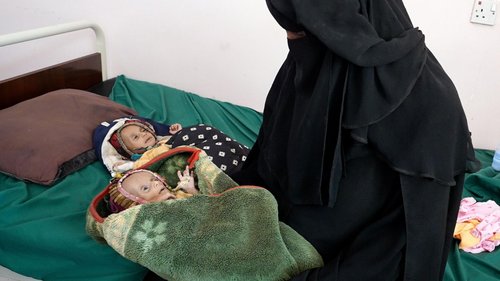
In a haunting journey through El-Geneina, Darfur, international journalists encountered the stark reality of a town torn apart by violence and despair. Sparse yet telling remnants of the past stand in the form of charred homes and battered buildings, artifacts of a calamity that has robbed countless civilians of their lives and dignity. The town has become a ghostly landscape, echoing chilling stories of brutality that have unfolded over the past 19 months, as a deteriorating humanitarian crisis unfolds in Sudan.Tom Fletcher, the newly appointed Under-Secretary-General for Humanitarian Affairs and Emergency Relief Coordinator, marked a significant moment as he became one of the first senior UN officials allowed to visit this devastated capital of West Darfur since the onset of war. With an air of urgency, Fletcher described the overwhelming tragedies faced by the people of Darfur, emphasizing that their reality is marked by grave protection crises, sexual violence epidemics, and looming famine threats.Fletcher's visit followed extensive negotiations with Sudan's rival factions—the Sudanese Armed Forces (SAF) and the paramilitary Rapid Support Forces (RSF). The RSF, directly associated with the ethnic cleansing targeting non-Arab communities in El-Geneina, have faced accusations from human rights organizations and the UN regarding war crimes. The violence has led to the death of an estimated 15,000 individuals, rendering El-Geneina a place synonymous with horrific atrocities, including a combination of murder, rape, and looting.As the convoy approached El-Geneina, travelers witnessed the stark remains of what once was—a town now characterized by decay and danger. The journey from the Chadian border highlighted the desperation of those forced to flee; many seek refuge in improvised camps shortly after relatives were massacred in their communities. These camps reflect the distressing aftermath of war, where survivors recount tales of horror: families torn apart, young children lost and assumed dead, and the relentless violence that haunts their memories.A young girl, visibly affected yet calm, shared her experience of fleeing while hiding from looming threats during the day. With tears held back, she described the painful choice between survival and safety. In stark contrast, the El-Geneina health center offered a glimpse of normalcy, as elderly men and women gathered to voice their struggles, underscoring the community's urgent need for food, clean water, and education.As aid groups struggle to provide relief amidst a backdrop of conflict, local organizations have mobilized despite setbacks in communication and resources. Their calls for assistance resonate with Mr. Fletcher, who acknowledges the gravity of the situation unfolding in Sudan, highlighting the urgency of forming alliances between NGOs and international bodies to provide meaningful support. However, the overarching fear—of indifference to the plight of Darfur—haunts those on the ground.Mr. Fletcher concluded his visit with a commitment to confronting the complexities of aid delivery and pledging to bring attention to Darfur's extraordinary suffering. As the world turns its gaze to other crises, observers remain hopeful that Amidst the paralyzing indifference, the possibility for change may yet emerge, allowing the voices of those most affected to be heard.