
In brief
Increasing tensions with Russia prompt NATO to bolster maritime security in the Baltic region.
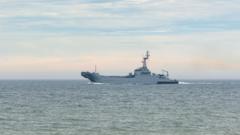
NATO has initiated a new operation to bolster surveillance over ships in the Baltic Sea in response to significant damages inflicted on undersea cables last year. The mission, titled "Baltic Sentry", was announced by NATO Secretary General Mark Rutte during a summit in Helsinki, which involved members bordering the Baltic, including Finland, Estonia, Denmark, Germany, Latvia, Lithuania, Poland, and Sweden.While Russia was not explicitly blamed for the cable damages, Rutte emphasized that NATO will enhance scrutiny of what he termed Moscow's "shadow fleet," composed of vessels without transparent ownership, often engaged in transporting embargoed oil products. The tensions between NATO and Russia have escalated consistently since the onset of Russia's full-scale invasion of Ukraine in February 2022. Rutte expressed serious concerns regarding the damage to crucial infrastructure, stating that NATO intends to respond decisively, including by boarding suspicious vessels and possibly seizing them when deemed necessary.While he refrained from disclosing the specifics of the assets that would partake in the Baltic Sentry initiative for operational security, Rutte highlighted the vital role that undersea cables play, noting that they facilitate the transmission of over 95% of internet traffic. A staggering amount of approximately $10 trillion in daily financial transactions depends on these cables, which total around 1.3 million kilometers (800,000 miles).Concerns about incidents affecting undersea infrastructure have grown in recent months, with the latest being an incident in December where an electricity cable between Finland and Estonia was severed. The Finnish coast guard intervened by boarding the oil tanker Eagle S, which was reportedly threatening another power cable and a gas pipeline between the two countries.Estonia’s Foreign Minister Margus Tsahkna has remarked that the frequency of such incidents raises doubts about their accidental nature, a sentiment echoed by Swedish Prime Minister Ulf Kristersson, who stated that while caution is warranted, the repeated unusual occurrences in the Baltic Sea cannot be disregarded.
