In brief
With ongoing Israeli bombardment in Lebanon, experts warn that ancient Roman ruins at Baalbek and Tyre are under threat. The air strikes, which have recently intensified, risk irreparable damage to these invaluable and culturally significant sites.
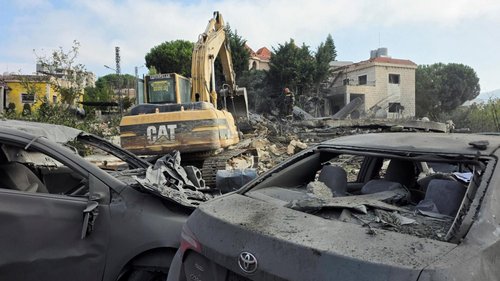
Israeli air strikes in Lebanon are raising urgent concerns among archaeologists about the safety of vital cultural heritage sites, as a nearby car park was targeted just meters from the UNESCO-designated Roman ruins in Baalbek. The attacks, which began escalating at the end of September as part of Israel's campaign against Hezbollah, have already destroyed a centuries-old Ottoman building. "Baalbek is irreplaceable; losing it would be a crime," stated Graham Philip, an archaeology professor from Durham University. Since late September, Israel has engaged in extensive aerial bombardments across Lebanon, particularly focusing on areas in southern Lebanon, the suburbs of Beirut, and the eastern Bekaa Valley. Recently, however, the strikes have crept closer to significant ancient sites like those in Baalbek and Tyre—a major historic Phoenician port with rich cultural heritage linked to the creation of the famed purple dye. As part of its campaign, the Israel Defense Forces (IDF) issued evacuation orders for neighborhoods surrounding these historic sites on October 23, before launching strikes in the vicinity. Although the IDF claims to only target military assets, experts highlight that these military operations are alarmingly close to both Baalbek temples and the ruins of Tyre. While there’s no confirmed damage to the historic sites as of now, Lebanese archaeologist Joanne Farchakh Bajjaly raised concerns about how the IDF is not exempting the temples from its targets despite the area having no Hezbollah facilities. She emphasized the value of these ancient sites as cultural assets that must be protected. Amid the turmoil, ordinary Lebanese fleeing the conflict have sought refuge near these ruins, mistakenly believing the cultural significance would render them safe from bombardment. The local government has voiced warnings against sheltering at these historical sites, highlighting the misunderstanding and acute desperation stemming from the ongoing conflict. Israeli archaeologists, like Erez Ben-Yosef, noted the responsibility Israel bears to prevent damage to these invaluable sites, despite the complexities of wartime conditions. Ben-Yosef mentioned active efforts within the military to safeguard heritage sites during strikes. While there is skepticism regarding intentional strikes on historical locations, experts like Graham Philip warn about the risks of collateral damage, noting the potential for misfires during intense bombardments. The situation reflects a troubling trend; recently published UNESCO reviews indicate that numerous cultural sites have already suffered damage during the escalation of conflict in the region, including in Gaza. Philip stressed the impact of losing such historical anchors, likening it to a deep loss of identity for the people of the region, similar to the potential destruction of prominent sites in other cultures. As the conflict continues, the fate of Lebanon's remarkable ancient heritage hangs in the balance, caught amid the chaos of war and military actions.