In brief
The French Indian Ocean territory of Mayotte grappled with unprecedented destruction after Cyclone Chido, which has led to a humanitarian crisis amid severe shortages of food and clean water.
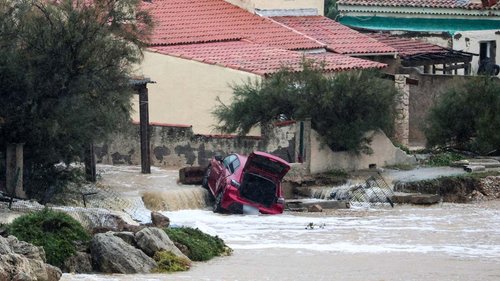
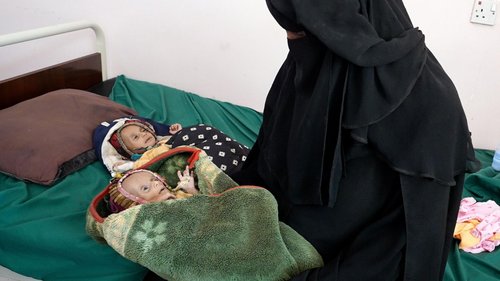
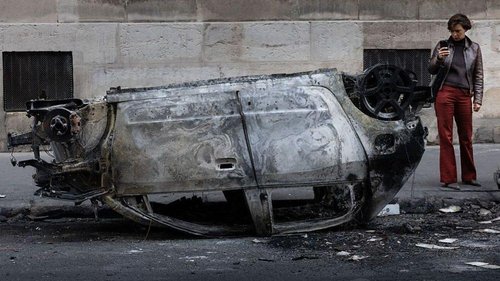
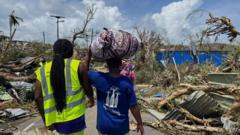
Residents of Mayotte are reeling from the devastation caused by Cyclone Chido, described as the most severe storm to hit the French Indian Ocean territory in 90 years. Wind speeds exceeded 225 km/h (140 mph), uprooting homes, particularly in impoverished areas where families lived in vulnerable scrap-metal structures. Local accounts have likened the situation to the aftermath of a nuclear disaster, with visuals of widespread destruction and loss of life.In the capital, Mamoudzou, residents are struggling without clean water for over three days. "Some of my neighbours are hungry and thirsty," reported one resident, highlighting the dire situation as French President Emmanuel Macron promised a visit to the island to support recovery efforts. Macron has announced intentions to declare a national day of mourning as the confirmed death toll reaches 20 and may escalate significantly amid fears that many undocumented migrants, who constitute a large part of Mayotte’s 320,000 population, are among the missing.Authorities face immense challenges in assessing the damage due to collapsed infrastructure—many roads remain impassable, 85% of the territory lacks power, and communication lines are down. Rescuers, bolstered by aid from continental France, are combing through rubble in attempts to locate survivors. Amalia Mazon, a midwife at the island’s central hospital, expressed concern for basic necessities, describing local water as “completely yellow” and unsuitable for consumption. “We feel completely abandoned; we have no news, we have no idea if help is coming," she lamented. Meanwhile, French health minister Geneviève Darrieussecq stated that the healthcare system in Mayotte experienced significant degradation due to the cyclone’s impact.Further complicating recovery efforts, the cyclone's aftermath has laid bare the social and economic challenges facing Mayotte, where a staggering 75% of residents live below the national poverty line. The traditional Muslim practice of burying the dead within 24 hours is making it difficult to document the exact number of casualties fully.Alongside humanitarian aid, French military reinforcements are arriving to support local authorities. French Interior Minister Bruno Retailleau emphasized that it would take “days and days” to fully comprehend the human toll from the cyclone, which has had devastating effects on across neighborhoods, particularly in the already impoverished slums.Cyclone Chido continues its path of destruction, having also impacted Mozambique, where it caused flash flooding and infrastructural damage. The cyclone is a stark reminder of the changing climate challenges, as experts highlight that while storm frequency may not be increasing, their intensity is driven by climate change.As the region begins to assess the damage and loss, residents and aid agencies alike are bracing for the potential aftermath in the days to come. Reports of sustained food and water shortages are trickling in, adding urgency to the ongoing rescue efforts and highlighting the critical need for immediate humanitarian response.