In brief
The protests, which originated over governance issues, have culminated in tragic fatalities, widespread unrest, and accusations against the government.
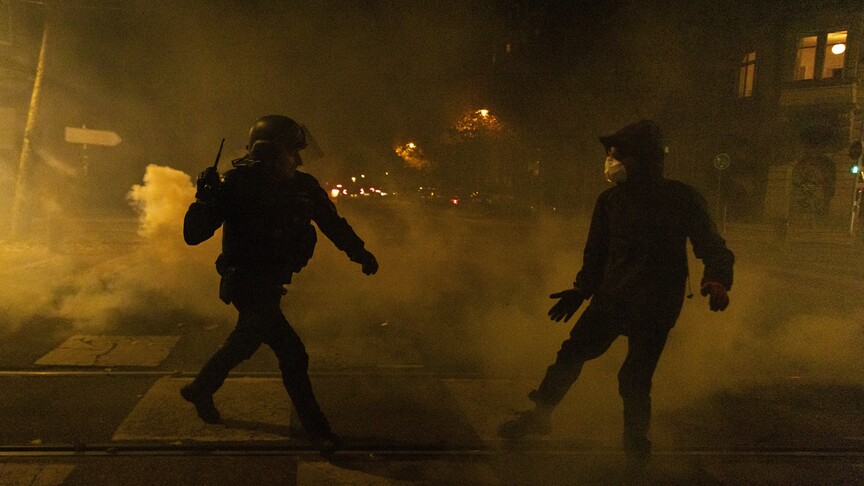
The number of fatalities from Monday's anti-government demonstrations in Kenya has risen dramatically to 31, as reported by the Kenya National Commission on Human Rights (KHRCR), igniting public outrage and a clamor for justice. Initial reports from the commission had stated that 11 individuals had died during the protests, which led to over 100 injuries and around 532 arrests across Nairobi and other major urban centers. The United Nations has voiced its concern regarding the use of deadly force by Kenyan police, who maintain that only eleven fatalities occurred.Tensions in Kenya have been heightened following the death of blogger Albert Ojwang, who died in police custody, escalating protests reminiscent of previous unrest spurred by tax increases. The demonstrations were initially set to honor Kenya's ongoing struggle for democratic rights but quickly devolved into violent confrontations across 17 counties.Participants in the protests voiced their frustrations with chants like "Ruto must go" and "wantam," which signifies a demand for President William Ruto to step down. The KHRCR's latest statement deemed the spike in deaths “deeply troubling,” emphasizing a firm stance against human rights violations and calling for accountability from all involved parties, including law enforcement and civilians.Among the fatalities was a 12-year-old child reportedly struck by a stray bullet while indoors in Kiambu, highlighting the tragic consequences of the unrest. The UN's High Commissioner for Human Rights has expressed grave concern over the incidents, noting the usage of lethal ammunition, rubber bullets, and tear gas against protesters.The protests have also led to reports of looting and vandalism of both public and private properties, including attacks on healthcare facilities, further straining an already tense situation. Religious and human rights organizations are urging for an expedited, independent investigation into the escalating violence.However, Kenyan Interior Minister Kipchumba Murkomen has commended police efforts in managing the protests, claiming criminal elements infiltrated the demonstrations. Meanwhile, opposition figures accuse the government of employing unmarked police vehicles to covertly transport gang members to areas known for their dissent.Responding to the hostility of the regime, opposition leaders have called for a national economic boycott against businesses connected to President Ruto's administration. They label the government as oppressive, advocating for resistance against state-sponsored violence.Chief Justice Martha Koome has expressed concern over the intensifying violence, warning that it threatens the nation's democratic principles. The protests have been largely driven by the so-called Gen-Z demographic, advocating for good governance, accountability, and justice for victims of police brutality, continuing a trend of sustained anti-government demonstrations that began last year. Together, more than 140 individuals have reportedly died in protests within 2023, according to media reports.