In brief
Cardinal David, known for his advocacy for the marginalized, will vote in the conclave to elect the new pope, representing hope amidst challenges facing the Catholic Church in the Philippines, including declining influence and social issues.
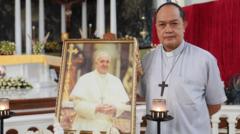
Cardinal Pablo Virgilio David has expressed his astonishment at being appointed a cardinal by Pope Francis, highlighting a significant turning point in his life and mission. Shortly before departing for Rome to participate in the conclave, the humble bishop of Caloocan, a parish filled with urban poor and slum dwellers, reflected on what this honor means amid a shifting religious landscape in the Philippines.Unconventionally, the Pope appointed David, who has only five months in his role, as one of three Filipino cardinals to partake in electing the next pope. In an interview with the BBC, he stated, "Not even in my wildest imagination did I think this would happen." Reflecting the ethos of the Pope, David emphasized the importance for the Church to remain grounded in the reality of everyday struggles faced by their community.The Philippines holds the title of Asia's largest Roman Catholic population, with nearly 80% of the 100 million residents identifying as such, making it an important player in the Church's global influence. Yet, as David noted, the church is encountering headwinds, including challenges against its traditional doctrines on divorce and family planning, as well as competition from newer charismatic ministries.Cardinal David is a significant figure in the legacy of Pope Francis, who made fostering closeness with the community a cornerstone of his papacy. Known affectionately as "Apu Ambo," David has dedicated his life to fighting for the underprivileged, including in response to the former president Duterte's notorious war on drugs that led to thousands of extrajudicial killings.He recalls vividly the emotional toll of witnessing the violence in his diocese, particularly the case of Kian Delos Santos—a young boy murdered by police that sparked outrage and protests. "It was just too much seeing dead bodies left and right," David recounted, highlighting his commitment to supporting marginalized individuals and promoting drug rehabilitation initiatives.In marked contrast to some members of the clergy who remained silent during Duterte's presidency, David labeled the war on drugs as illegal and immoral. This resistance earned him personal threats and government retaliation, but also brought him close support from Pope Francis. Their interactions showcased the Pope's encouragement and reassurance for David while delivering a universal message of spiritual resilience.Historically, the Catholic Church in the Philippines has faced fluctuating power dynamics, often intertwining with political regimes and societal movements. Cardinal David acknowledges the current declining influence of the Church and urges collaborations that respect the separation of Church and state. However, he remains steadfast in advocating for moral and ethical leadership amidst shifting social norms, as exemplified by pressing issues like legalization of divorce.Amid growing disengagement from the faith, evidenced by a decline in attendance at mass, Cardinal David believes in adopting a humble approach to restore credibility within the Church. He echoes Pope Francis's call to embrace vulnerability and humility in the Church's service of faith, understanding that earning back trust takes time and authenticity. Critics lament that the Church's scandalous history, especially around abuse, has tainted its moral authority, yet David stands as a beacon of hope and change. As the conclave approaches, there is anticipation to see how his impactful advocacy addresses pressing issues and shapes the Church's future direction.