
In brief
Discussions aimed at establishing a new ceasefire in Gaza hit a standstill after three days of indirect negotiations in Qatar. A Palestinian official revealed that key disagreements persist concerning humanitarian aid distribution and Israeli troop withdrawals. Despite heightened dialogues prompted by Israeli Prime Minister Benjamin Netanyahu's recent meeting with U.S. President Donald Trump, optimism is waning. U.S. special envoy Steve Witkoff expressed hope for an agreement by the week's end, yet on-ground reports indicate little advancement in the talks. Significant civilian casualties continue to rise in Gaza, as both sides brace for the complexities of potential solutions.
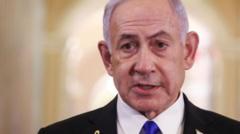
In detail, Prime Minister Netanyahu's second meeting with Trump focused primarily on hostage situations in Gaza, with both leaders striving for an agreement. Netanyahu stated they remain resolute in achieving their goals, which include the safe release of hostages and dismantling of Hamas's capabilities. Presently, Israel claims that 50 hostages remain in captivity. While Witkoff indicated that discussions have narrowed to one primary unresolved issue, tension lingers as humanitarian access further complicates the situation. The Palestinian source highlighted the Israeli delegation's insistence on maintaining strict control over aid channels, an approach which has been rejected as inadequate for effectively addressing the urgent needs of Gazan civilians.Qatar, joining the mediation efforts alongside the U.S. and Egypt, acknowledged that further time may be required to reach a breakthrough, navigating the complicated dynamics of the ongoing war. As negotiations unfold, retaliatory Israeli airstrikes have led to more civilian fatalities, deepening humanitarian despair in the region. Reports suggest a plan involving staged hostage exchanges for a 60-day ceasefire, yet the humanitarian crisis continues to escalate, exacerbating the situation for affected populations in Gaza.

