In brief
Police in Manitoba have identified remains found at Prairie Green landfill as belonging to Morgan Beatrice Harris, one of four Indigenous women killed by a serial killer. This discovery has reignited debates surrounding the search funding, community safety, and political responsibility amid ongoing grief for the victims' families.
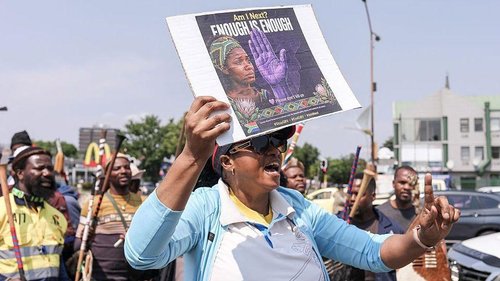
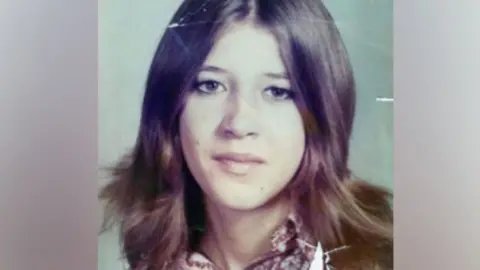
The police in Manitoba confirmed on Friday that some remains discovered during the search of a landfill near Winnipeg last month have been identified as belonging to Morgan Beatrice Harris, a victim of a serial killer. Harris, 39, was one of four Indigenous women murdered between March and May 2022. The identification follows the earlier confirmation of remains belonging to Rebecca Contois, 24, also a victim of the same perpetrator.Jeremy Anthony Michael Skibicki, who was convicted of the killings and sentenced to life in prison with a minimum of 25 years before parole, has a documented history of expressing extremist views online. The three women, besides Harris and Contois, include Marcedes Myran, 26, and a third unidentified woman referred to by First Nations elders as Mashkode Bizhiki’ikwe, or Buffalo Woman.The decision to search the Prairie Green Landfill sparked political contention during the 2023 provincial elections, with the previously ruling Progressive Conservative party opposing the effort, citing concerns over costs and low chances of success. The newly elected New Democratic Party, which led the recent search effort, is advocating for more accountability and action towards Indigenous safety.The identification of Harris’s remains has elicited mixed reactions from the community, including a bittersweet acknowledgment from her daughter, Cabria, who expressed ongoing pain alongside hope for closure. Meanwhile, in the legislature, the interim leader of the Progressive Conservatives, Wayne Ewasko, issued an apology for the party’s prior stance against the search, admitting a loss of empathy and understanding towards the victims and their families.Cabria Harris rejected the apology, arguing that without meaningful action, words hold little value. The stark contrasts drawn between this case and previous high-profile investigations further highlight the complexities surrounding Indigenous safety in Canada, particularly in light of historical precedents like the Robert Pickton case in British Columbia. As the community continues to navigate grief and the aftermath of these tragedies, the obligations of both authorities and society as a whole towards Indigenous women remain at the forefront of ongoing discussions.