In brief
On June 22, 2025, protests emerged in various American cities following airstrikes in Iran ordered by the Trump administration, with hundreds participating in rallies expressing their opposition to further military intervention.
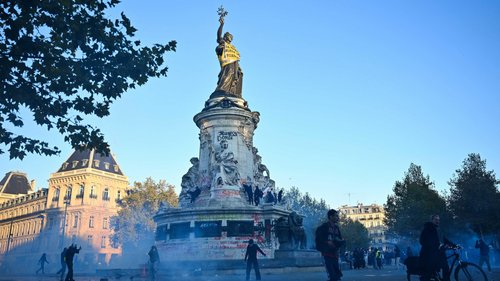
Protests erupted in over a dozen cities on Sunday, as community members voiced their dissatisfaction with the Trump administration's recent military airstrikes on Iran. While the overall turnout paled in comparison to last weekend's nationwide "No Kings" protests, gatherings in significant cities like New York, Boston, Chicago, Washington, and Los Angeles saw several hundred participants call for an end to escalating hostilities.Demonstrators waved Iranian flags, and many held up signs declaring, “No War in Iran!” Outside the White House in Washington, more than 200 protesters, including veterans, condemned the airstrikes and expressed concerns about President Trump’s quest for power. "He’s trying to become a king," remarked Ron Carmichael, a veteran of the Vietnam War. In Chicago, around 200 rallied downtown, where Ali Tarokh, an Iranian immigrant, criticized the effectiveness of violent regime change in facilitating governmental reform. He underscored that Trump's actions and Israeli Prime Minister Netanyahu's support only hinder progress toward a democratic society in Iran. Voicing solidarity with the Palestinian cause, some protesters indicated that military conflict would further exacerbate the plight of the people in Gaza. In Los Angeles, Noor Abdel-Haq, a nurse with family ties in Gaza and the West Bank, articulated her wish for peace instead of "more murder and destruction.”In Richmond, Virginia, Violeta Vega, leader of the Party for Socialism and Liberation, rallied a small group at Abner Clay Park on a sweltering day. With chants demanding funds for jobs and education rather than war, she emphasized the importance of collective action across the country.The day of protests served as a reminder of the complex and contentious relationships between foreign affairs and grassroots movements, as witnesses from various backgrounds unified against further military endeavors. Reports from Robert Chiarito in Chicago, Rachel Parsons in Los Angeles, Darren Sands in Washington, and Dina Weinstein in Richmond contributed to this coverage.