In brief
In a deepening conflict, Albanese prepares to address humanitarian issues and recognition of Palestinian statehood at the upcoming UN General Assembly.
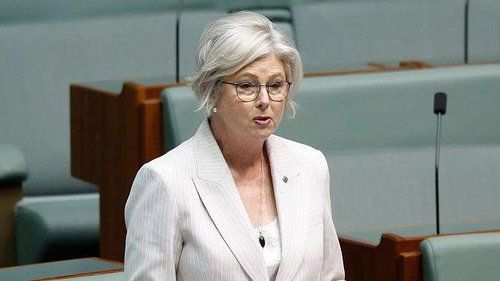
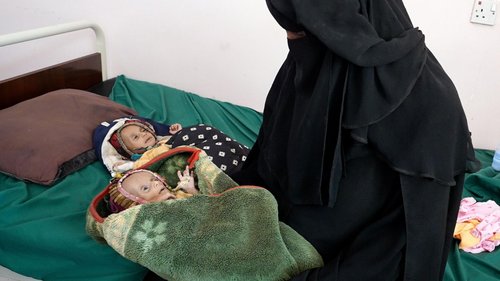
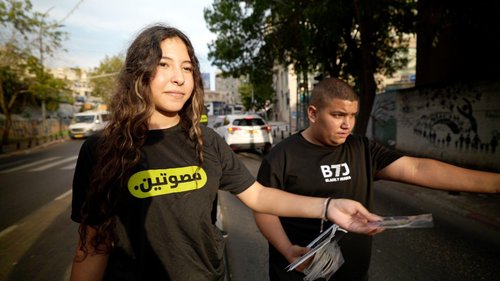
Australia's Prime Minister Anthony Albanese has publicly condemned Israeli Prime Minister Benjamin Netanyahu for being "in denial" about the humanitarian crisis unfolding in Gaza. Albanese's remarks came as he confirmed Australia’s intention to recognize a Palestinian state at the UN General Assembly set for September, aligning with similar announcements from countries like the UK, France, and Canada.The Australian PM stated that growing frustration with the Israeli government's actions has motivated this recognition, expressing a desire from Australians to halt the ongoing violence and killing. Netanyahu, under mounting international pressure to mitigate the situation in Gaza, criticized the recognition of Palestine as a move that "rewards terrorism", labeling Australia and other allied nations' decisions as "shameful".Recent reports from the Hamas-run health ministry reveal alarming figures, with five fatalities attributed to malnutrition in just 24 hours, bringing the death toll from malnutrition-related causes to 222, including 101 children. Israel denies these reports of starvation, asserting instead that international aid agencies are failing to collect and deliver needed supplies. The UN, however, disputes that claim, citing various operational challenges in the Israeli-controlled border areas.In an interview with the Australian Broadcasting Corporation, Albanese recounted a conversation with Netanyahu where he conveyed Australia's grave concerns over aid restrictions and the rising fatalities occurring at aid distribution points. Albanese remarked, "The stopping of aid... and the loss of life... is just completely unacceptable."The decision to recognize a Palestinian state follows assurances from the Palestinian Authority—responsible for parts of the Israeli-occupied West Bank—that Hamas would have no role in a future state. Reactions within Australia have been mixed, with the Executive Council of Australian Jewry voicing feelings of betrayal, while some Palestinian advocates view the measure as insufficient.Opposition leader Sussan Ley criticized the overview, referring to it as "disrespectful" to the United States, a vital ally of Australia. In light of the escalating conflict, recent pro-Palestinian demonstrations in Australia have mobilized significant public support, evidencing heightened awareness and engagement.Since the military offensive launched by Israel on October 7, initiated following a Hamas-led attack killing approximately 1,200 individuals, more than 61,000 lives have reportedly been lost amidst the ongoing conflict, with the situation continuing to develop. As the international community grapples with the implications of these decisions and the realities on the ground, the upcoming UN General Assembly promises to be a critical juncture in addressing both the humanitarian crisis and the broader geopolitical landscape surrounding the Israeli-Palestinian conflict.