In brief
The historic law reflects New Zealand's commitment to addressing past injustices towards Māori people and recognizing their connection to the land.
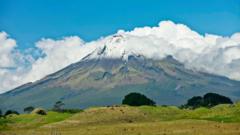
In a groundbreaking move, New Zealand's parliament has passed legislation granting legal personhood to Mount Taranaki, recognizing it as co-owned by local Māori tribes and the government. The Taranaki Maunga Collective Redress Bill, aimed at rectifying historical injustices against the Māori people, was passed after extensive negotiations, marking a significant advancement in indigenous rights and land restitution.Representatives from iwi, or Māori tribes, as well as government officials, will collaborate to oversee the mountain's management, essentially allowing Taranaki Maunga to ‘own itself’. This development acknowledges the Māori perspective that natural landmarks are living entities and ancestral figures. Paul Goldsmith, the minister involved in the negotiations, emphasized the importance of this settlement in healing past wounds inflicted through colonization and land confiscation. “We must acknowledge the hurt that has been caused by past wrongs, so we can look to the future to support iwi to realize their own aspirations and opportunities,” he stated.Debbie Ngarewa-Packer, co-leader of the Māori Party, expressed deep emotion following the bill's passage, declaring, “Today, Taranaki... is released from the shackles... of injustice." Hundreds of supporters congregated at parliament to witness this historic moment.The mountain will revert to its Māori name, Taranaki Maunga, replacing the British name Egmont, which was assigned by explorer James Cook in the 18th century. The legislation extends to include protection for surrounding areas under its Māori designation.This recent settlement is part of ongoing efforts between the government and Māori communities to address violations of the Treaty of Waitangi, which serves as New Zealand’s foundational document. The government has issued a formal apology for its historical confiscation of Mt. Taranaki and extensive land from local Māori during the 1860s, acknowledging the extensive and damaging impacts on Taranaki iwi.Goldsmith assured that public access to Taranaki Maunga will remain unchanged, ensuring all New Zealanders can enjoy its beauty for years to come. This is not the first instance of a natural site being granted legal personhood in New Zealand; the Urewera forest and Whanganui River have previously been recognized in similar ways, setting important precedents for environmental and indigenous rights.