In brief
Concerns arise as labor advocates question his history with heat safety measures in the industry.
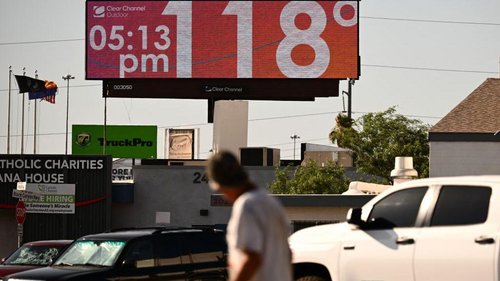
David Keeling, President Trump’s nominee to head the Occupational Safety and Health Administration (OSHA), is facing scrutiny as he steps into a pivotal role concerning workplace heat regulations. Keeling, who has a long history with UPS, a company known for resisting calls for air conditioning in delivery vehicles, is set to take the helm at OSHA just as the agency is contemplating federal rules aimed at safeguarding as many as 36 million workers from extreme heat conditions. For years, UPS truck drivers have expressed their concerns regarding the lack of air-conditioning in their vehicles, citing severe heatstroke incidents during sweltering months. The company has faced backlash over its inaction, which some drivers attribute to Keeling, whose tenure included a lack of substantial improvements for driver comfort in oppressive weather.The upcoming Senate committee confirmation vote is critical. If confirmed, Keeling will oversee OSHA during a period when it is evaluating possible mandates that could require employers across industries such as agriculture, construction, and manufacturing to provide necessary facilities to protect workers from heat stress, including mandatory access to water and designated rest breaks when temperatures soar.Labor unions appear to be divided on Keeling’s nomination. The International Brotherhood of Teamsters, which has endorsed Trump and supported Keeling, describes him as a reliable candidate capable of engaging with labor representatives. A spokesperson highlighted his vast experience in health and safety matters as valuable. Conversely, multiple labor proponents, along with some UPS drivers who worked with Keeling, have voiced concerns over his previous inability to advocate effectively for measures that could mitigate heat-related risks for drivers, including the requested installation of air-conditioning systems in vehicles.As this appointment progresses, the implications of Keeling’s leadership on current and future workplace safety regulations, particularly in the context of extreme temperatures, will be closely observed by labor groups and employees alike.