Phoenix has become a testing ground for cutting heat‑related deaths—an effort that’s already cut fatalities by a third in recent years.
In 2023 Maricopa County recorded a peak of 645 heat‑related deaths; the figure fell to 405 in 2025 as the county rolled out a comprehensive program. The approach hinges on three pillars: widespread cool‑space access, free or low‑cost air‑conditioning for vulnerable households, and a dedicated Heat Officer who coordinates city agencies and leads public messaging.
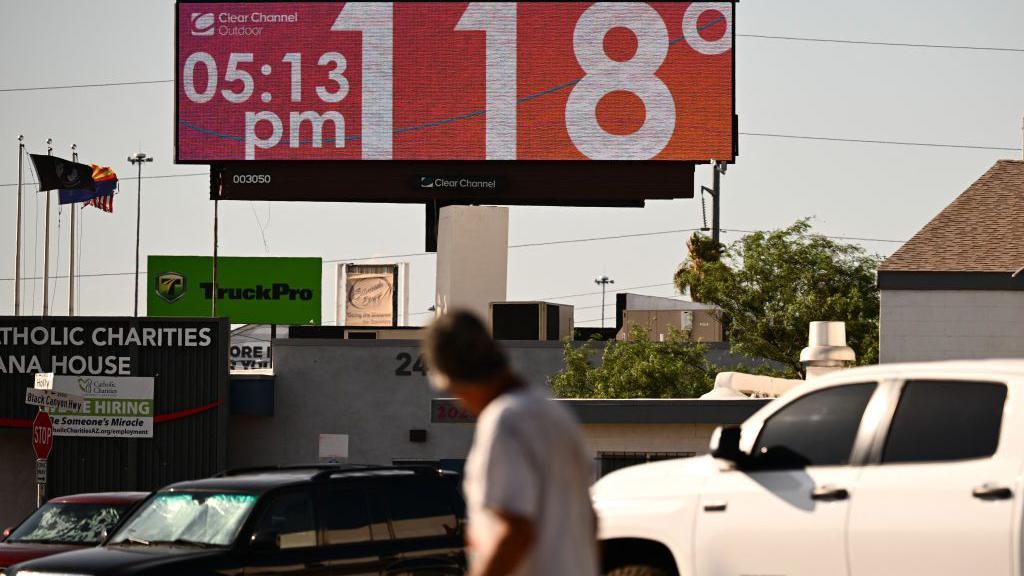
The county’s cooling centres, now open 24 hours in many locations, provide shelter from daytime temperatures that can exceed 120 °F. Residents can also request repairs or replacement of their own AC units, with subsidies covering the majority of costs for low‑income and homeless families.
“The world can learn a lot from Maricopa County,” says Yale researcher Jennifer Marlon, who points to the city’s data‐driven monitoring system that flags rises in heat deaths before an event becomes a full crisis.
While the trend remains encouraging, officials caution that July 2024 already shows 23 confirmed deaths and 282 cases under investigation. If those numbers complete the trend, the county would see a spike – underscoring the need for continual funding and community outreach.
Experts agree that replication elsewhere depends on a government willing to assign heat‑crisis responsibility to a single accountable person—something Phoenix pioneered in 2021 by hiring a dedicated Heat Officer.
As climate models predict a further 1.1 °C rise in global temperatures by the decade’s end, cities around the world will likely need to adopt similar heat‑mitigation strategies, not only to protect health but also to safeguard infrastructure and keep economies running.
For more on how other US cities are looking at free air‑conditioning and new heat‑death prevention measures, read the BBC story on free air‑con options in US cities.