In brief
In Nuuk, the capital of Greenland, local voices emphasize their desire for independence while rejecting the notion of selling their land amid threats from the incoming U.S. president.
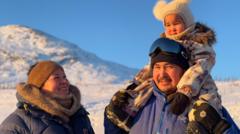
Tensions resonate through the icy terrain of Greenland as the looming presidency of Donald Trump casts a shadow over the local populace. News of Trump’s potential aggression toward Greenland has not gone unnoticed, with residents voicing their determination to protect their land. A local fisherman, Kaaleeraq Ringsted, reflects the feelings across the archipelago, asserting, "Greenland is not for sale." Amid the chilly winds and icy fjords, the community's sentiments are compounded by Trump's remarks regarding the territory's possible acquisition. Angutimmarik Hansen, a local farmer, echoes a similar frustration, declaring, "Never will we sell Greenland." Despite the uncertainty stirred by Trump's rhetoric, he expresses eagerness to engage positively with U.S. citizens, emphasizing the distinction between the actions of one individual and the broader relationship with the American populace. The arrival of Donald Trump Jr. added another layer to the political tension. The visit, although brief, incited conversations about trade and potential cooperation between the Trump family and the islanders. The reception from local businessman Jorgen Boassen demonstrated the mixed feelings on the ground regarding U.S. interest in the region. Discussions surrounding independence from Denmark have grown more intense, with local leaders advocating for Greenland's right to negotiate directly with the United States. Kuno Fencker, a member of the local parliament, highlights the necessity for Greenland to chart its own path, devoid of colonial legacies. However, the complexity of achieving independence looms large, considering the island’s reliance on Danish subsidies. Prime Minister Mute Egede underscores the sentiment of self-determination, stating unequivocally, "We do not want to be Danish, we do not want to be American, we want to be Greenlandic." The underlying tone of the discussions often centers on understanding the history of injustice done to the Inuit population, as many acknowledge the need for healing before moving forward. A former finance minister, Maliina Abelsen, calls attention to the importance of confronting historical grievances to foster unity and resilience among Greenlanders. She insists that without recognizing the past, genuine progress cannot occur. As the global spotlight brightens on Greenland due to Trump’s fervent comments, local voices are clear—the community will dictate their future, prioritizing their identity and aspirations above all else. The unfolding situation stands as a testament to the enduring spirit of the Greenlandic people, committed to ensuring their sovereignty is honored on their terms.