In brief
In a chilling exploration of the fentanyl trade, journalists track shipments from Mexican cartels to U.S. streets, highlighting the deepening opioid crisis, government responses, and the human toll of addiction.
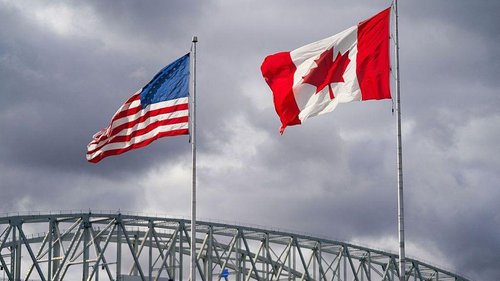
From covert cartel meetings in Mexico to the bustling streets of Philadelphia, the story of fentanyl distribution reveals a grim connection between drug trafficking operations and the surging addiction crisis in the United States. Armed with a pseudonym, Jay, a dealer from Los Angeles, shares how he has leveraged his position within the drug supply chain, surviving in a world fraught with peril. He notes, “There will always be demand” as he recounts the intricate methods employed to smuggle synthetic opioids.The demand for fentanyl—a drug 50 times more potent than heroin—continues to escalate, with dealers like Jay growing bolder amid shifting political landscapes that affect trade and border policies. In response to the torrent of illegal substances entering the country, the White House introduced a controversial 25% tariff on goods from Mexico, which was justified by President Trump’s insistence on combating the drug crisis.Despite the apparent efforts to curtail the fentanyl trade, including a pledge from Mexican President Claudia Sheinbaum to deploy National Guard troops to the border, the landscape suggests that the relationship to drugs extends beyond supply. According to Jay, “The biggest demand? United States.” With some dealers selling pills at rock bottom prices due to oversupply, the urgency of the crisis becomes starkly evident.In Kensington, a neighborhood in Philadelphia labeled as the largest open-air drug market on the East Coast, the human cost of the fentanyl epidemic is palpable. Rosalind Pichardo, from Operation Save Our City, documented over 2,900 lives she revived using Naloxone, a life-saving drug aimed at counteracting overdoses. Yet even as this small flicker of hope emerges, Pichardo acknowledges the broader systemic failures and insists that the "war on drugs" has yet to yield any tangible results.As she traverses this economically-blighted landscape, Pichardo encounters the stark realities of addiction daily; individuals drift in and out of consciousness, victims of an unrelenting cycle perpetuated by pharmaceutical negligence and rampant drug availability. “When one drug supply is cut off, another replaces it,” she argues.The grassroots situation in Kensington starkly contrasts the high-level discussions about drug tariffs and international collaboration to counter trafficking. With every shipment that slips through the cracks of drug enforcement, lives hang in the balance. While legal measures aim to dismantle the production lines of cartel operations, the narrative repeatedly returns to the heart of the issue: a society gripped by addiction and despair, struggling for solutions amid an ever-evolving drug landscape.