In brief
The inaugural Riyadh Comedy Festival, featuring notable comedians like Dave Chappelle and Bill Burr, has made waves by introducing sex and trans jokes that would typically be deemed inappropriate in conservative Saudi Arabia. While many attendees express excitement about the comedic content, critics argue that the event serves to whitewash the country's human rights issues post the Khashoggi murder. This article explores the festival's impact, audience responses, and the ethical dilemmas faced by performers.
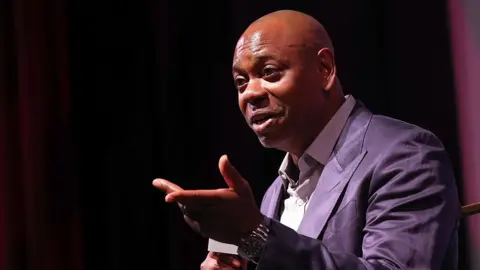
There were sex jokes, and trans jokes. It's really unusual to see this kind of comedy here in Saudi Arabia, an expat named Sara remarked about the inaugural Riyadh Comedy Festival. The event has generated excitement in the local expat community, showcased performances by American heavyweights such as Dave Chappelle and Bill Burr, and highlighted a rare penetration of culturally sensitive issues in a predominantly conservative setting.
Fans described the audience's enthusiasm as remarkable, with many reveling in sets filled with provocative content. Comedians, however, tread carefully, largely steering clear of Saudi Arabia's contentious human rights records—an evident concern among international observers.
Many criticized the comedy festival as an attempt by the Saudi regime to distract from its ongoing human rights abuses. Groups like Human Rights Watch emphasized that performers ought to leverage their platforms to spotlight issues affecting the region. Amid such pressures, the comic atmosphere bore a surprising openness, with performances featuring taboo subjects often considered 'haram' (forbidden).
Attendees expressed a mix of astonishment and pride in the boldness displayed on stage. Zain, a local audience member, noted with disbelief the explicit jokes being delivered: I can't believe people were saying this stuff in Saudi. Many people here haven't seen a stand-up in their lives, let alone something so explicit.
While many performers hesitated to breach governmental topics, local audiences remained entertained, providing a unique snapshot of Saudi Arabia's evolving entertainment scene amidst ongoing cultural reformations spearheaded by Crown Prince Mohammed bin Salman. The festival aimed to paint a picture of a more open society, yet underlying tensions remained, evidenced by the contrasting views of both audiences and dissenters outside the Kingdom.
Critics have cast the festival in a contentious light, drawing parallels between its timing and the anniversary of journalist Jamal Khashoggi's murder. Comedian Marc Maron pointedly remarked, The same guy who's paying them is the same guy who paid to bone-saw Jamal Khashoggi. This sentiment encapsulates the ongoing debate on the ethical implications of performing arts in a nation where free expression is significantly curtailed.
Despite this, proponents of the festival argue that it fosters a cultural dialogue and exposes Saudis to a world of stand-up they might otherwise never see. Bill Burr himself championed the festival, stating, The comedians that I've been talking to are saying, 'Dude, you can feel [the audience] wanted it.' The festival ultimately stands as a testament to the complexities of art, culture, and politics in Saudi Arabia today.