In brief
Evidence gathered by BBC shows that a World War One-era chemical agent, potentially bromobenzyl cyanide (camite), was used against protesters in Tbilisi. Individuals who were affected have reported long-lasting symptoms, prompting outrage and calls for accountability from Georgian authorities. The implications of using such a dangerous chemical, now considered a potential chemical weapon, raise serious human rights concerns.
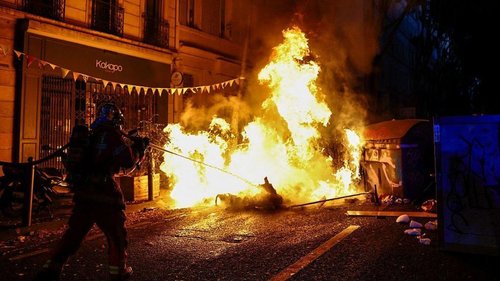
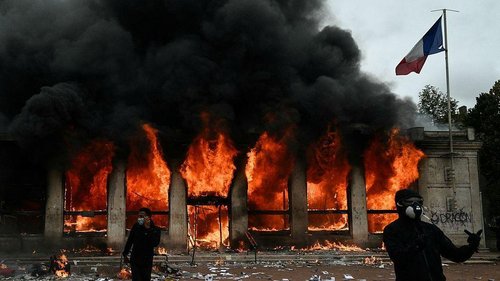
Georgia's authorities used a World War One-era chemical weapon to quell anti-government protesters last year, evidence gathered by the BBC suggests.
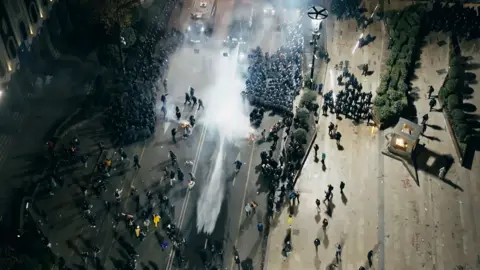
You could feel [the water] burning, one of the protesters said of the water cannon turned on him and others on the streets of the capital Tbilisi. A sensation, he said, which could not immediately be washed off.
Demonstrators against the Georgian government's suspension of its European Union accession bid have complained of other symptoms too - shortness of breath, coughing, and vomiting that lasted for weeks.
The BBC World Service has spoken to chemical weapons experts, whistleblowers from Georgia's riot police, and doctors, and found the evidence points to the likely use of an agent known as camite. The Georgian authorities described our investigation findings as absurd and insisted that police acted legally in response to the illegal actions of brutal criminals.
Camite was deployed by France against Germany during World War One and had been phased out due to concerns about its long-lasting effects. Protesters asserting themselves since November 2024 over their government's actions have faced escalating responses from law enforcement, including the use of this toxic substance.
Reports indicated that protesters including Dr. Konstantine Chakhunashvili experienced significant health issues after being targeted; his peer-reviewed study shows symptoms such as fatigue, coughs, and irregular heart signals among affected individuals.
Experts point to possible violations of international law governing the use of chemical agents in crowd control. UN Special Rapporteur Alice Edwards emphasized the need for urgent investigations into the police's methods and the health impacts caused.
While the protests have decreased in size due to increased penalties, the frequency of demonstrations continues as citizens seek accountability for a government they accuse of corruption and shifting allegiances toward Russia.