In brief
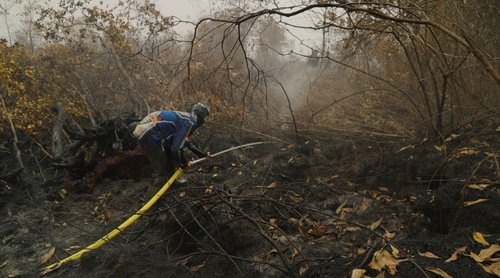
In the latest environmental catastrophe, wildfires have consumed more than 14,000 hectares in Syria’s Latakia region, reflecting the dire effects of the worst drought the country has seen in decades. Emergency responders, primarily the White Helmets, have mobilized to combat the fires, but are constrained by resource shortages and the rugged terrain, complicating their efforts to help thousands affected by this disaster.
Syria is now engulfed in a severe crisis following six days of relentless wildfires, devastating over 14,000 hectares, an expanse comparable to that of Washington, D.C. The flames primarily ravaged the Latakia region, a mountainous area along the Mediterranean, where prolonged summer heat and significant lack of rainfall have rendered the forests severely combustible. Meteorological data suggests this drought is among the worst in decades, deeply impacting local communities.The repercussions of the wildfires have forced many Syrian families to evacuate their homes as the blazes continue to wreak havoc. The United Nations reports a growing humanitarian crisis with thousands directly affected. In the backdrop of these events lies Syria's ongoing struggle for stability, with the country still healing from the wounds of a brutal 13-year civil war.The White Helmets, Syria’s civil defense force known for rescuing victims of wartime bombings, have taken charge of firefighting efforts during these wildfires. However, they face significant barriers due to prolonged Western sanctions against the current Assad regime which have led to dwindling resources. Aid workers report critical shortages of diesel fuel and essential parts for firefighting equipment, severely hampering their capacity to respond effectively. Adding to the complexity of the emergency response, the ongoing conflict has left many areas treacherous, with unexploded ordnance posing additional risks for the emergency crews navigating the rugged terrain. Historically seen as a loyalist region of Assad’s regime, the Latakia coastal area is increasingly unstable, recently marked by mass sectarian violence resulting in considerable loss of life.As Syria grapples with the dual challenges of environmental disasters and sociopolitical strife, the international community watches closely, awaiting a decisive response to this multi-faceted crisis.