In brief
As France grapples with political instability, Prime Minister François Bayrou has announced his willingness to reconsider the contentious pension reform that recently raised the retirement age, aiming to garner support within a divided National Assembly.
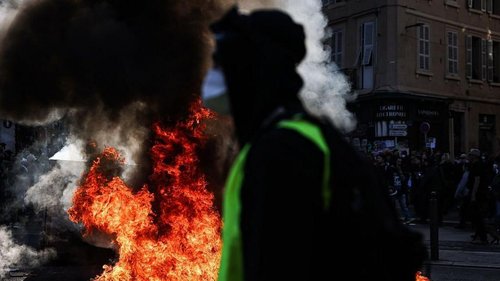
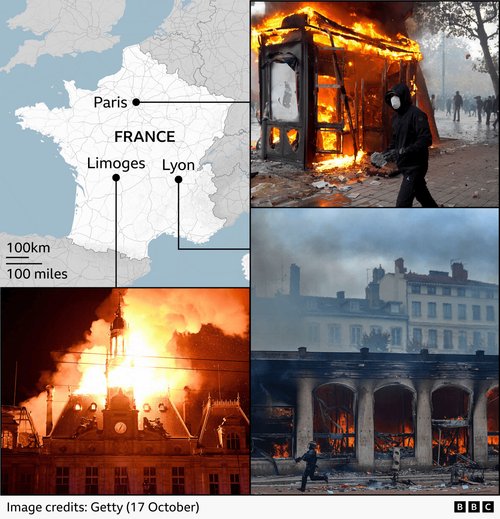
In a speech delivered on Tuesday, January 14, 2025, Prime Minister François Bayrou acknowledged the pressures his government faces and highlighted the necessity to revisit the pension law that elevated the retirement age from 62 to 64. Initially introduced by President Emmanuel Macron under the pretense of enhancing fiscal stability, the reform incited massive demonstrations across the country.Bayrou, who recently ascended to the role of Prime Minister, emphasized the urgency of addressing this issue as he seeks to navigate a complicated legislative landscape devoid of a clear majority. The National Assembly is characterized by its three main factions: the left, center, and far-right, all of which have struggled to achieve consensus on critical matters, including the upcoming 2025 budget.The previous government, led by former Prime Minister Michel Barnier, collapsed following a no-confidence vote stemming from this legislative deadlock, intensifying the uncertainty of Bayrou’s tenure. His latest comments indicate an attempt to buy time and find common ground as his administration remains at risk of falling apart.With public discontent simmering, Bayrou’s foresight into the discussions on pension reforms could play a crucial role in stabilizing his fragile government and restoring confidence among constituents.