In brief
Zohran Mamdani's ascent to the position of New York City Mayor is attributed largely to his social media prowess, captivating younger voters and challenging established political norms. Sworn in on January 1, Mamdani now faces the significant task of maintaining the momentum and connection he built with supporters amid the complexities of governance. Experts suggest his ability to transition from campaign excitement to effective city administration will determine his success in office.
Jumping into the frigid waters of Coney Island in January for a pun on I'm freezing... your rent. Visiting food trucks to discuss how city permitting processes have led to Halalflation. Walking the length of Manhattan to show New Yorkers they deserve a mayor that they can see, they can hear, they can even yell at.
Those social media videos helped propel Zohran Mamdani and his left-wing policies to a surprise win in New York City's mayoral primary, and then to victory in the November election.
The democratic socialist, 34, engaged New Yorkers—particularly young voters who spend much of their time doom-scrolling—by using social media to build an image of someone who is authentic and joyful, experts told the BBC.
Now, after he was sworn in as mayor on January 1, his next challenge will be keeping those same supporters engaged and maintaining momentum in office.
About three-quarters of New York City voters under the age of 30 voted for Mamdani, according to an Associated Press voter poll.
Mamdani's robust social media strategy engaged these voters by delivering an image of a political candidate that young people—frustrated with older, more established candidates—craved, said Jane Hall, a communications professor at American University.
A candidate does not have to be young to connect with young voters, but I think you have to be seen as being authentic and speaking to what people care about in a way that is hip and makes people want to be on the bandwagon, Hall stated.
Jack Bratich, a journalism professor at Rutgers University, noted that Mamdani combines lightheartedness with serious conversations, standing in contrast to the negativity seen in some political rhetoric.
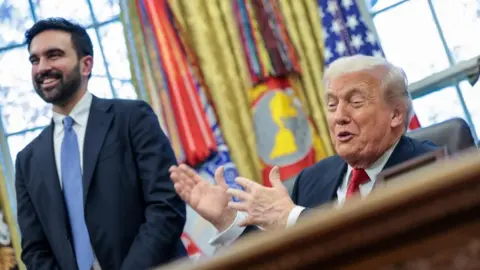
Despite an unexpectedly friendly first meeting with Donald Trump, during which they agreed on some issues facing New York City, a fierce rivalry characterized the mayoral race, with Trump labeling Mamdani an extremist lunatic. On election night, Mamdani's defiant return to Trump during his victory speech galvanized his supporters.
Yet, to fulfill his campaign promises amidst potential federal hostility, Mamdani will need to practically engage with the Trump administration. How he balances this could be crucial for his governance.
Mamdani's challenge extends beyond mere political engagement; sustaining the enthusiasm that propelled his campaign will be essential as he tackles the mundane realities of day-to-day governing. Educating younger voters about city governance and rallying them for local issues will be a complex task.
The creation of advocacy groups like Our Time for an Affordable NYC—comprised of Mamdani's volunteers—will be vital for maintaining grassroots momentum as they aim to push forward his affordability agenda.
In his swearing-in ceremony at an old subway station, Mamdani expressed excitement for the opportunities ahead. As he embarks on this journey in leadership, the spotlight is on whether he can navigate these challenges while keeping his supporters actively engaged.