In brief
After a month‑long battle with his predecessor, former defence minister Mykhailo Fedorov was dismissed, sparking protests and a press conference where he demanded that President Volodymyr Zelensky answer whether he was aware of corruption among his inner circle. The timing coincided with a money‑laundering inquiry that uncovered a $3 million fraud scheme linked to a senior aide. Fedorov calls for democratic elections even as the country remains under martial law, warning that democracy is a hostage of Russian aggression. The fallout has left Ukraine’s elite grappling with questions of accountability and governance amid a brutal war.
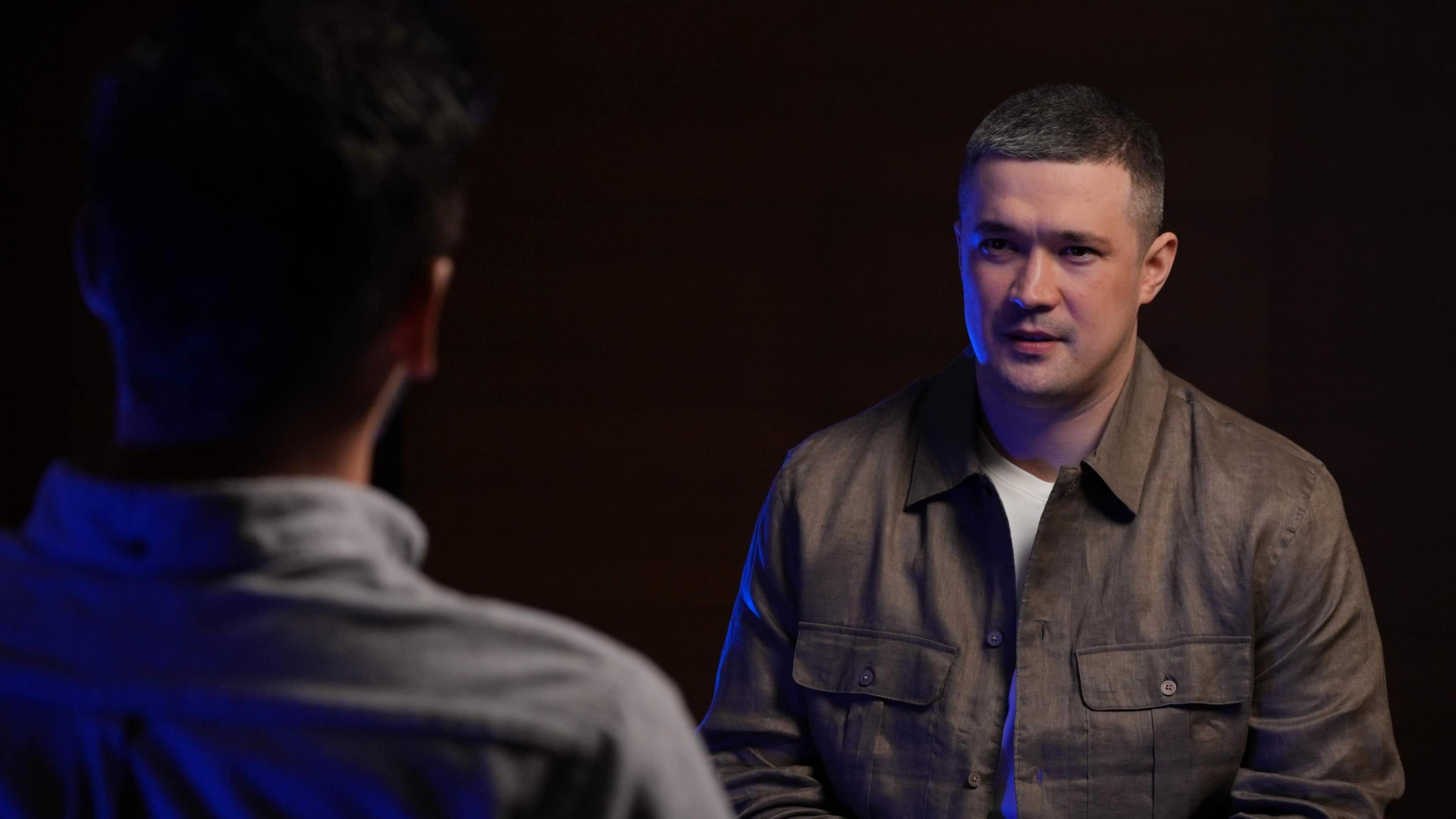
After months of acrimonious clashes with senior officials, the former Ukrainian defence minister Mykhailo Fedorov was dismissed by President Volodymyr Zelensky. Fedorov, who modernised the armoured forces and pioneered long‑range drone operations, has taken to the BBC to raise questions about the President’s knowledge of corruption within his government.
He said a money‑laundering probe announced last week—uncovering a $3 million Ukrainian‑rouble scheme that involved a former energy minister and a senior aide to the President—has brought the issue to the fore. Fedorov challenged Zelensky to answer: “Let him answer this question. He’s ready for it.” He added that he does not want Sokolǵh neurons to assume wrongdoing without evidence.
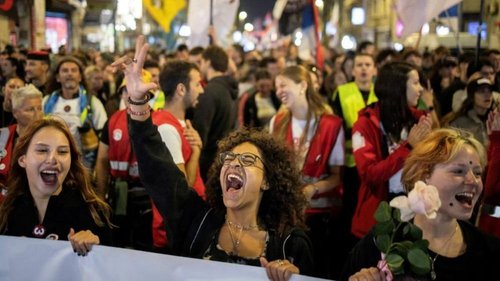
The accusations came as protests in Kyiv’s streets, which had been chanting for Fedorov’s reinstatement since his dismissal, draw to a close. Though the former minister declined to name a political ambition, he said the post‑war timeline for elections is a moral right that must be respected: “If elections were never held, we are no longer a democracy.”
Additional fallout after the dismissal included calls for the British to speed up promised weapons deliveries and an appeal for direct funding of Ukrainian drone production. Fedorov said bureaucracy had delayed the supply of vital equipment, noting that the loss of tanks had turned into a shortage of life‑saving weapons that soldiers needed on the front lines.
His remarks come at a time when Ukraine remains under martial law and elections are suspended, yet his message remains clear: Governing bodies must confront corruption transparently, and the status of democracy cannot be a hostage to a war enemy. His statements add another layer of tension to Zelensky’s administration as it seeks to maintain cohesion amid an ongoing conflict.