In brief
In a significant escalation, Israel has expanded its ground operations in Gaza, coinciding with a wave of airstrikes that have reportedly claimed over 430 lives in just two days.
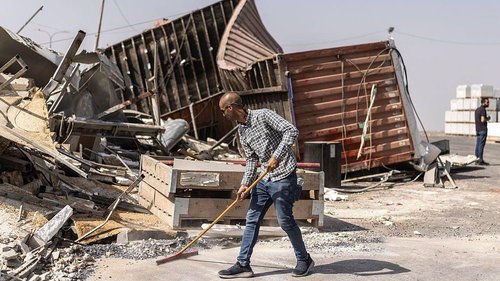
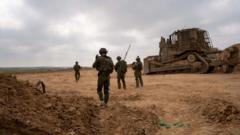
Israel has intensified its military presence in Gaza, declaring an extension of its ground operations after launching extensive airstrikes that the Hamas-operated health ministry claims have resulted in over 430 fatalities within a two-day span. The Israel Defense Forces (IDF) announced that troops have advanced to the Netzarim Corridor, strategically located between the northern and southern regions of the Strip.This renewed military action signals the termination of a frail ceasefire that had been maintained since January. Reports surfaced earlier that an explosion at a United Nations compound in Deir al-Balah led to the deaths of two individuals, including a UN staff member. A spokesperson from the foreign ministry indicated that an investigation is underway while denying responsibility on Israel's part.The IDF has implemented "targeted ground activities" aimed at establishing a "partial buffer" zone between Gaza's northern and southern areas. Evacuation orders have been disseminated to Gazans situated in regions close to the military advancement, including Beit Hanoun in northern Gaza. The military's warnings have incited panic among Palestinian families who have already endured multiple displacements throughout the conflict and had recently returned when the ceasefire was in effect.In a video address on Wednesday, Israeli Defense Minister Israel Katz issued a “final warning” to the Palestinian territory, urging the return of remaining hostages held by Hamas, which he stated includes 59 individuals, 24 of whom are believed to still be alive. Katz reiterated a call for the disbandment of Hamas, threatening total destruction should both demands remain unmet.This troop movement comes in the aftermath of the UN’s announcement regarding the death of its staff member after an explosive ordnance impacted a compound in Deir al-Balah, which was characterized by UNOPS as being in an “isolated” area. UNOPS chief Jorge Moreira da Silva described the event as likely not an accident and emphasized that the situation in Gaza is "unconscionable." UN Secretary-General António Guterres has urged a thorough investigation into the incident.On Tuesday, Israeli Prime Minister Benjamin Netanyahu confirmed a full-scale resumption of combat, stating that any further ceasefire negotiations would occur “under fire.” Continued airstrikes have marked a significant uptick, being the heaviest since the frail ceasefire and simultaneous hostage exchange agreement on January 19 began.Attempts at a longer-term ceasefire struck a stalemate, with Hamas rejecting Israel's conditions for extension, despite offering to release a living American hostage and four deceased individuals. Since initiating a blockade on food, fuel, and medical supplies into Gaza in early March, Israel has escalated its tactical deployments, showcasing its readiness to utilize military force in pursuit of a revised ceasefire agreement, reportedly in alliance with the United States.The series of violent actions follows Hamas’s attack on Israel on October 7, 2023, which resulted in nearly 1,200 deaths and the abduction of 251 hostages, 25 of whom were released during the first phase of the ceasefire. Reports indicate that ongoing military offensives by Israel have led to over 48,500 Palestinian deaths as reported by the Hamas-controlled health ministry, causing widespread devastation to both civilian homes and infrastructure throughout the region.