In brief
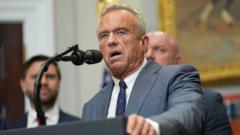
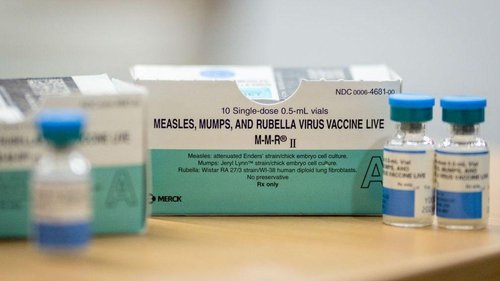
In a controversial move, Health Secretary Robert F. Kennedy Jr. has announced the cancellation of $500 million in funding for the development of mRNA vaccines aimed at addressing various viruses, including the flu and COVID-19. This decision will halt 22 projects led by major pharmaceutical firms, notably Pfizer and Moderna. Kennedy, a long-time skeptic of vaccines, argues that mRNA technology presents more risks than advantages. Critics within the medical community express concern about the ramifications of this decision, which they believe undermines crucial advancements that have contributed to combating pandemics. Following extensive reviews and consultations, Kennedy's office aims to redirect funding towards what they perceive as safer vaccine alternatives while downplaying the benefits of mRNA technology, despite its solid track record against severe infections.
Kennedy's actions further intensify debates surrounding vaccine development and public health policies, drawing ire from health experts who warn that this could hinder the U.S. response to future health crises.Kennedy said he acted on evidence, suggesting mRNA vaccines may encourage viral mutations and inadvertently extend pandemics. Medical professionals have countered that all viruses, including influenza, mutate independently of vaccination efforts. Former FDA official Peter Lurie emphasized that halting mRNA research marks a significant step back for public health, potentially compromising the U.S.'s ability to manage future pandemics effectively. Dr. Paul Offit, a vaccine expert, supported this, arguing that mRNA vaccines are vital in preventing serious infections. Kennedy's approach has led to significant changes in how the health department oversees vaccine development, including the dismissal of experienced committee members and alterations to vaccination recommendations for infants and pregnant women, raising ongoing public health concerns.