In brief
Public health experts express worry over qualifications of new panel members, who are primarily vaccine skeptics, after RFK Jr. dismissed the previous committee.
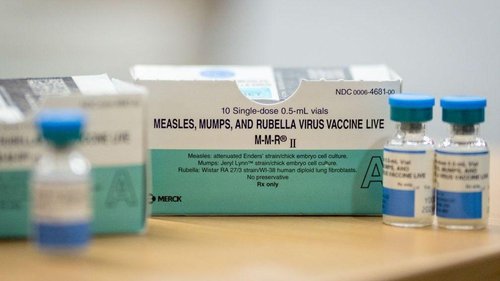
In a significant shift within the US vaccination landscape, Health Secretary Robert F. Kennedy Jr. has introduced a new panel of vaccine advisers to re-evaluate long-standing immunization schedules for children and teenagers. The seven-member Advisory Committee on Immunization Practices (ACIP) convened for the first time on Wednesday, only weeks after Kennedy dismissed all 17 prior members of the committee. The ACIP plays a crucial role in recommending vaccination guidelines to the Centers for Disease Control and Prevention (CDC).Prior to the meeting, concerns were voiced by public health experts and politicians regarding the qualifications of the new appointees, many of whom are known critics of vaccines. The sudden removal of the previous ACIP members on June 9 caused a backlash that continues to resonate through the public health community. During the meeting, the new chair, Dr. Martin Kulldorff, revealed that he had lost his position at Harvard University for refusing to receive a Covid-19 vaccine. He announced that the panel would initiate working groups to assess vaccination schedules, focusing particularly on vaccines that have been approved for seven years or longer.One of the controversial discussions planned for the ACIP's agenda includes the hepatitis B vaccine, which is administered to newborns and is recognized as safe and effective in preventing a severe infection that can lead to liver cancer. Additionally, the panel plans to scrutinize vaccine recommendations for measles. Concerns have been raised over the intention to investigate long-approved vaccines, suggesting potential flaws in their approval processes. Bill Hanage, an epidemiology expert at Harvard TH Chan School of Public Health, remarked that there is no rational basis for questioning the validity of these vaccines after years of successful use.Originally, the ACIP was slated to vote on recommendations for an RSV vaccine, particularly necessary for infants, but those discussions have been delayed. On the following day, the panel will hear about thimerosal, a mercury-based preservative absent from most vaccines for years, presented by Lyn Redwood, formerly of Children's Health Defense, an anti-vaccine organization associated with Kennedy.Hanage criticized the decision to include thimerosal in discussions, highlighting that past ACIP panels demonstrated extensive expertise and rigor in evaluating vaccination recommendations. In contrast, the makeup of the current group reflects a selection of members who align with Kennedy’s own stance against vaccines, as per Dr. Paul Offit, a former ACIP member with extensive experience in the field.One of the appointed members, Dr. Michael Ross, withdrew from the committee just days before the first meeting. There has also been critique from Republican Senator Bill Cassidy, a practicing physician, who expressed reservations regarding the confirmatory process for Kennedy as health secretary due to his views on vaccines. Cassidy emphasized the panel's insufficient size and the absence of a confirmed CDC director to endorse their recommendations. He cautioned that while the new committee members may hold scientific credentials, many lack significant experience in vital areas such as microbiology and immunology, and may harbor biases against newer vaccine technologies.