In brief
"The potential return of 'Trump 2.0' raises uncertainties for the global economy, with forecasts suggesting a 3.2% growth rate in 2025. Analysts warn of the implications of proposed US tariffs on trade, particularly affecting countries like Canada and Mexico, while China's export-driven economy could face further challenges."
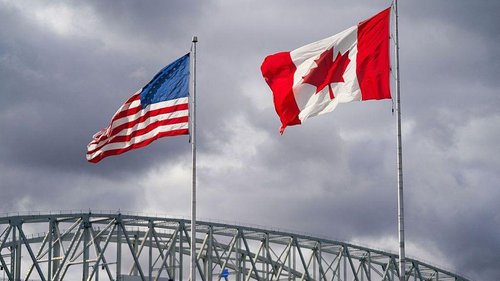
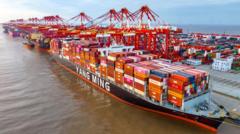
In the landscape of the global economy, the year 2025 is poised to unfold under the long shadow of what some are calling "Trump 2.0." With the International Monetary Fund projecting a "stable yet underwhelming" growth rate of 3.2%, the intersections of inflation, interest rates, and tariffs could significantly impact consumers and businesses alike. Merely a week before the Christmas holidays, borrowers in the US received a bit of reprieve with the announcement of the third consecutive interest rate cut. However, stock markets reacted unfavorably, following Federal Reserve Chair Jerome Powell's comments indicating that the pace of future cuts might slow down. "From here, it's a new phase, and we're going to be cautious about further cuts," Powell said, emphasizing the ongoing struggle to curb inflation, which rose in November to rates of 2.7%, 2.2%, and 2.6% in the US, Eurozone, and UK, respectively.Luis Oganes, head of global macro research at JPMorgan, has warned that the primary threat to global growth stems from uncertainties surrounding US trade policies under Trump, who has already threatened new tariffs targeting major trading partners, including China, Canada, and Mexico. "The US is steering towards a more isolationist policy stance, raising tariffs, trying to provide more effective protection to US manufacturing," Oganes noted. While this could momentarily bolster US economic growth, it is likely to adversely affect countries reliant on trade with the US.Maurice Obstfeld, a former IMF chief economist, elaborated on the potential far-reaching consequences of increased tariffs, particularly on the auto market, which is interlinked across the US, Canada, and Mexico. He warned that disruptions in supply chains could elevate prices, reduce consumer demand, and lower company profits, leading to decreased investment levels. This scenario could further destabilize the global economy, pushing it towards recession.The US-China trade relationship remains precarious as Trump’s renewed tariff threats loom, with China's economy uniquely positioned to suffer from any reduction in demand for its exports. In his New Year’s address, President Xi Jinping acknowledged external uncertainties but maintained that the Chinese economy was on an upward path, bolstered by efforts to increase domestic investment and consumer spending. The World Bank recently raised its forecast for China’s growth from 4.1% to 4.5% for the coming year, citing the need for robust remedies for domestic challenges.Additionally, the electric vehicle sector remains a focal point in the global trade dynamic, with both the US and EU imposing tariffs on Chinese vehicles. The European Central Bank’s President, Christine Lagarde, warned against trade restrictions, asserting they may hinder growth and spark further inflation.Amidst the turbulent economic landscape, Donald Trump’s impending return to power could herald a series of tax cuts and deregulation aimed at fostering US economic resilience, though expert opinions highlight that global repercussions may not be favorable. As the world watches, the successful management of inflation and interest rates will hinge on the legislative and economic policies arising from the US.