In brief
Efforts to construct the Grand Inga Dam, aimed at generating clean energy for millions in Africa, remain unresolved due to international investor withdrawals, governance issues in DR Congo, and environmental implications. Despite historical delays, recent talks suggest a glimmer of hope, yet substantial obstacles persist.
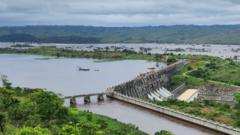
Africa's energy landscape is at a crossroads as the Grand Inga Dam project in the Democratic Republic of Congo (DRC), which aspires to become the world's largest hydroelectric facility, confronts significant setbacks. Despite initial enthusiasm surrounding this multi-billion dollar endeavor, which promises to harness the Congo River's immense power potential, the project has yet to materialize since its conception.The Grand Inga Dam is envisioned to surpass China's Three Gorges Dam in electricity production, potentially providing sustainable power to millions across Africa. However, the reality is stark; plans to initiate construction began in 2020 have yet to translate into any discernible progress on the ground. Although the DRC government maintains that efforts are ongoing, mounting criticisms highlight a history of governmental inefficiency, environmental apprehensions, and the recent withdrawal of key international partners.With funding estimates soaring to approximately $80 billion, financing remains a contentious issue in a nation grappling with pervasive poverty. Following the recent pullout of China's Three Gorges Corporation—citing discontent with President Félix Tshisekedi's project management—the situation is further complicated. Yet, some stakeholders remain optimistic. Discussions between the DRC and various financial institutions, including a renewed engagement with the World Bank, curb despair over the project's viability.Nonetheless, the pressing need for reliable energy solutions in sub-Saharan Africa cannot be ignored. Around 600 million people are currently without electricity, and the Grand Inga could offset this shortfall by producing up to 40,000MW, enough to energize vast urban centers for days. The legacy of existing dams, Inga I and II, underscores the urgency—operating significantly below capacity due to past mismanagement.Challenges abound, including skepticism over equitable energy distribution. Activists argue that the dam may benefit foreign investors and nearby mining operations disproportionately, leaving a substantial portion of the Congolese population in energy poverty. Environmental risks are equally alarming; critics warn of displacement for local communities and potential threats to biodiversity.Despite facing dire financial and administrative hurdles, the narrative surrounding Grand Inga is akin to a pendulum—oscillating between hope and despair. Observations from infrastructure specialists suggest that although setbacks are an intrinsic aspect of colossal projects, the path ahead for Inga remains fraught with complexities.In sum, while the Grand Inga Dam offers a blueprint for transformative change in Africa's energy sector, substantial collaboration, investment, and governance improvements are critical to breathe life into this monumental vision. For now, the project serves as a poignant reminder of the intricate dance between ambition and reality within the realm of large-scale infrastructure developments on the continent.