In brief
Health experts caution that pneumonia can escalate quickly, especially in older patients, highlighting the urgency of the Pope's care.
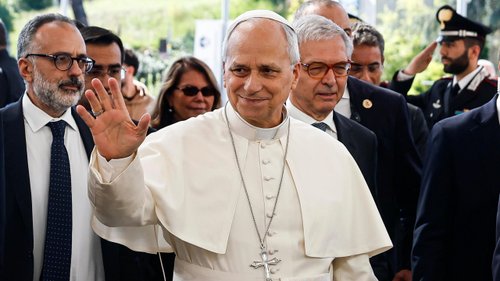
Pope Francis remains hospitalized, with the Vatican announcing he is suffering from bilateral pneumonia on Tuesday. This condition, which refers to pneumonia affecting both lungs, is particularly concerning for elderly patients, such as the 88-year-old pontiff. Dr. James Musser, director of the center for infectious diseases at Houston Methodist Research Institute, meant that without direct examination, he couldn't provide specifics about the Pope's health, but the implications of bilateral pneumonia are alarming.Pneumonia, an infection affecting the small airways within the lungs, triggers an immune response that leads to the accumulation of immune cells in lung pockets. Symptoms can present as fever, coughing, and chills. Dr. Paul Pottinger, a professor at the University of Washington, explained that a typical diagnostic check involves a patient vocalizing a prolonged “e,” which would sound different through a stethoscope in the case of pneumonia.While many pneumonia cases resolve with home treatment, the risk amplifies significantly for older individuals. Dr. Peter Chin-Hong from the University of California, San Francisco, notes that “the mortality rate goes up after age 85,” underscoring the seriousness of the Pope's diagnosis.Streptococcus pneumoniae is often the primary bacterial culprit behind pneumonia, but it can lead to severe complications, such as sepsis, especially if bacteria spread beyond the lungs. Dr. Chin-Hong noted that while vaccines can help mitigate sepsis risks, they do not prevent pneumonia.Both Dr. Pottinger and Dr. Chin-Hong agree that the gravity of Pope Francis's condition should not be underestimated, with Pottinger stating, “It is a very scary situation.” The Vatican has not provided further information, but the international community is closely monitoring the Pope’s health developments.