In brief
A fatal tank rupture at a Longview paper mill and a near‑explosion in Garden Grove forced emergency evacuations and spurred renewed scrutiny of state‑federal oversight of hazardous chemicals.
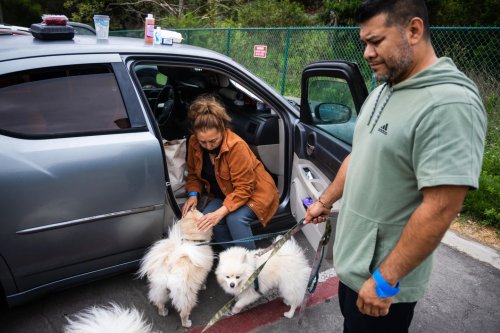
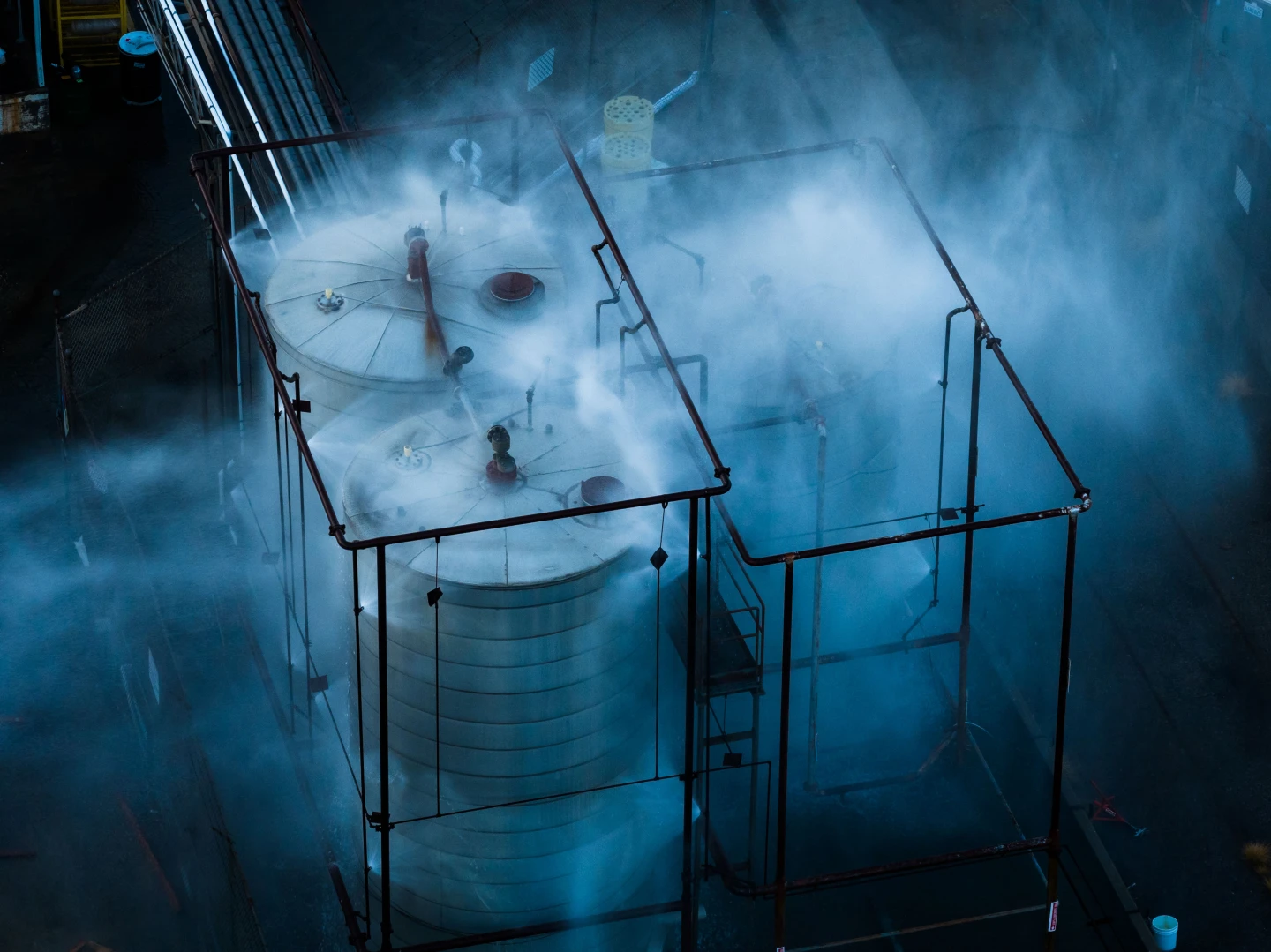
[ { "type": "paragraph", "content": "Scientists say there are millions of chemical tanks across the U.S., and that their failure is exceedingly rare if they’re built, maintained and inspected properly." }, { "type": "paragraph", "content": "Yet the past week saw two major hazardous chemical emergencies on the West Coast. A corrugated tank that contained a corrosive white‑liquor white‑rum at a Longview paper mill ruptured on Tuesday, killing two workers and possibly injuring nine others. And, in late‑last week, about 50,000 people were evacuated in Southern California after a chemical tank overheated and threatened a catastrophic explosion. Authorities mitigated the risk, and residents have gradually been allowed to re‑enter their homes." }, { "type": "paragraph", "content": "These incidents have prompted questions about which agencies are ultimately responsible for regulating companies that store dangerous materials. An Associated Press review points to a shared jurisdiction among local, state and federal officials in keeping these facilities safe." }, { "type": "header", "content": "Tanks Typically Have Robust Safety Standards" }, { "type": "paragraph", "content": "Chemical engineering professor Stephen Kmiotek of Worcester Polytechnic Institute says almost every industry uses chemical tanks, highlighting their ubiquity. According to Kmiotek, the failure rate is about 0.1 failures per million tanks per year—an indicator that, when repair protocols are in place, the risk is extremely low." }, { "type": "paragraph", "content": "Kmiotek noted that older tanks—and those that hold highly caustic substances like the white liquor in the Washington incident—need more frequent inspections after the first ten years, and their valves may require replacement at shorter intervals. Proper maintenance, especially for older vessels, is essential to prevent ruptures." }, { "type": "paragraph", "content": "Authorities in Washington do not yet know the age of the tank or when the valves were last replaced." }, { "type": "header", "content": "State Agencies Lead Inspections" }, { "type": "paragraph", "content": "The U.S. Environmental Protection Agency (EPA) was involved in the response, and the U.S. Chemical Safety Board (CSB) opened an investigation into the Washington spill. The CSB is an independent federal agency tasked with probing catastrophic releases of hazardous substances." }, { "type": "paragraph", "content": "But the day‑to‑day inspections in Washington and California were carried out by state agencies—Washington’s Department of Labor & Industries and California’s Division of Occupational Safety & Health—alongside local fire marshals and hazardous‑materials teams. In Washington, where chemical sites outnumber inspectors, the state labor agency investigates incidents only after complaints or evidence of a problem. The Longview site, operated by Nippon Dynawave, had previously been the focus of two state investigations unrelated to the current incident." }, { "type": "header", "content": "Federal Oversight" }, { "type": "paragraph", "content": "Under federal rule, businesses that store or use hazardous chemicals must maintain a “safety data sheet” detailing hazards and emergency procedures, and share that information with local, tribal and state officials. The Occupational Safety and Health Administration (OSHA) requires Process Safety Management (PSM) protocols for facilities that handle heavily hazardous chemicals—covering inspections, worker training, special permits and emergency‑response plans." }, { "type": "paragraph", "content": "The GKN Aerospace plant in Garden Grove, California, would normally fall under PSM regulations because of the materials it used in its production lines. Whether the Longview paper mill was required to follow PSM standards was unclear at the time of reporting." }, { "type": "header", "content": "Public Danger From Certain Chemical Is Uncertain" }, { "type": "paragraph", "content": "Public‑health expert Stephen Lester—former science director of the Center for Health, Environment & Justice—has voiced concerns over inadequate exposure‑level standards. While the workplace exposure threshold is defined, nothing parallels it to an environmental release or an explosion. “Without hard, health‑based guidelines, people’re forced to rely on subjective judgment,” Lester said." }, { "type": "paragraph", "content": "He noted that the existing workplace benchmarks are based on an “average adult male” and do not take into account vulnerable populations, such as children, the elderly or those with compromised immune systems." }, { "type": "paragraph", "content": "The West Coast incidents emphasize the need for better risk assessment frameworks for the public—especially when inevitable spills or ruptures could release hazardous chemicals in densely populated areas." } ]