Vice‑President Vance Questions Livestream of Fort Hood Execution
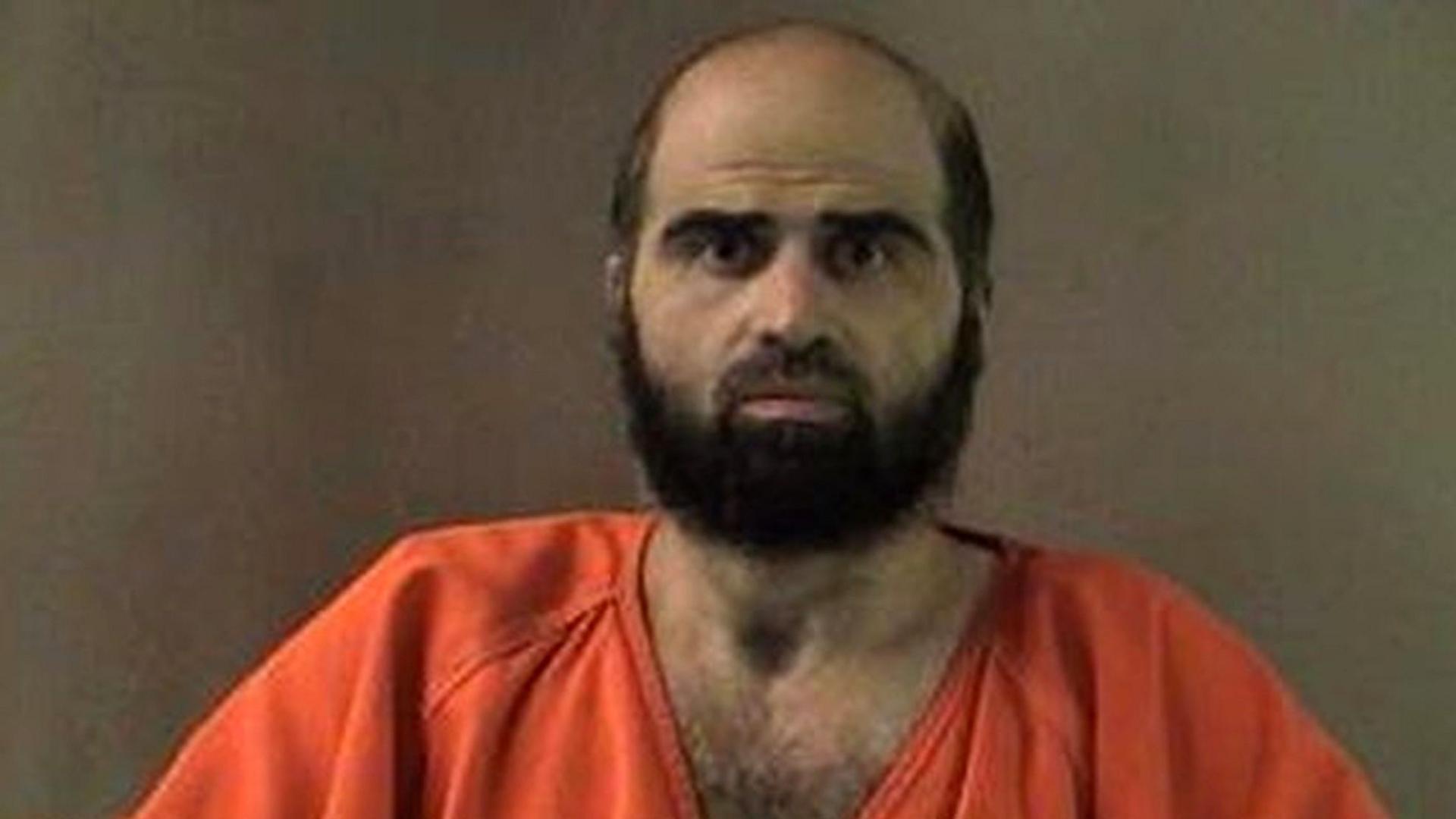
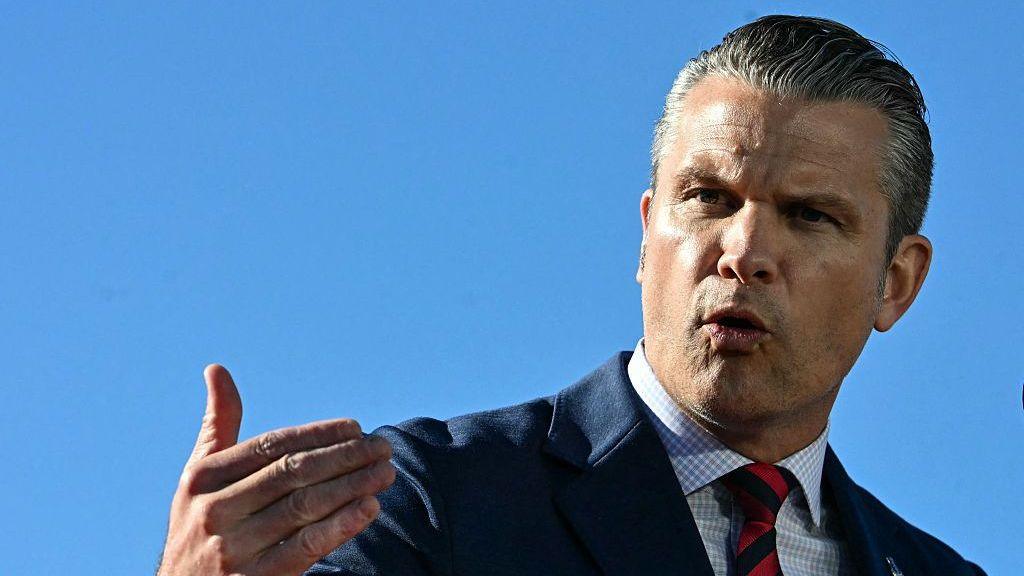
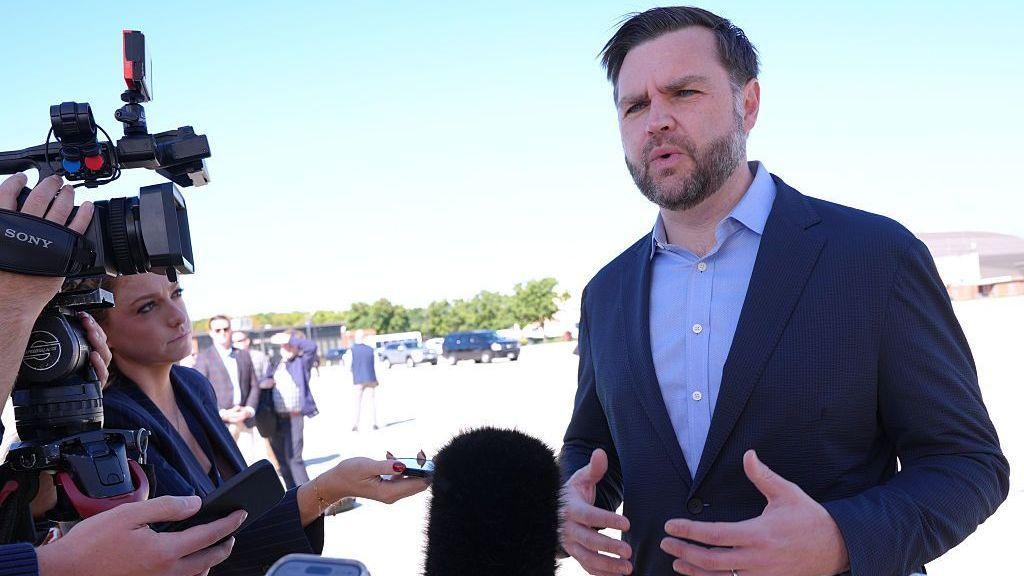
U.S. Vice‑President J.D. Vance said he was unsure whether the Pentagon’s plan to livestream the firing‑squad execution of Fort Hood attacker Nidal Hasan would proceed. “I don’t know that that’s going to happen,” Vance told reporters, adding that “if it’s through live‑stream, I’m not going to be watching it.”
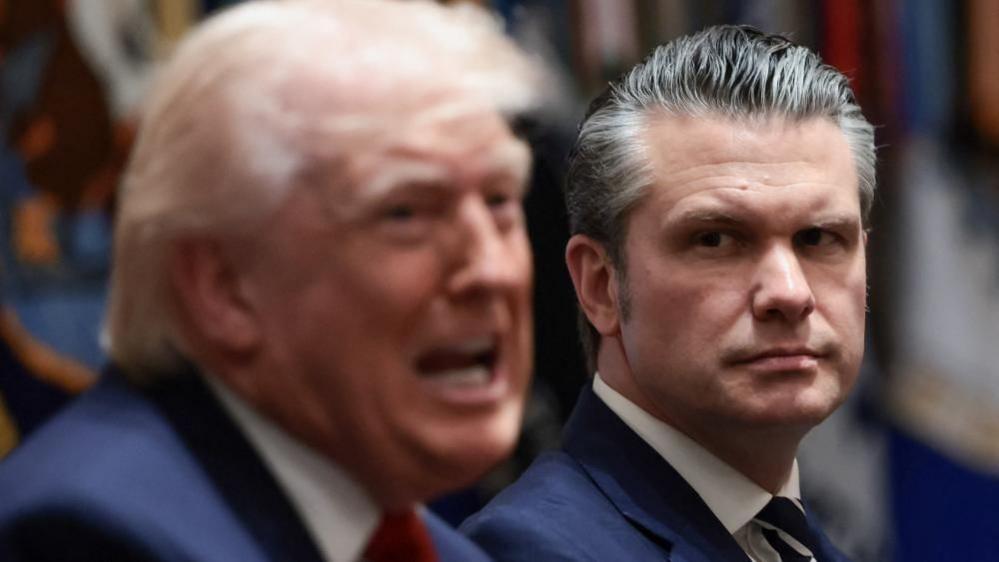
National Defence Secretary Pete Hegseth confirmed the livestream would take place, while President Donald Trump echoed his support for the broadcast. The decision has intensified debate over public executions and the death penalty, drawing criticism from both parties. Senator John Curtis warned that live televised executions “risk feeding an appetite for executions as a form of entertainment,” and Senator Chris Murphy called the plan “disgusting.”
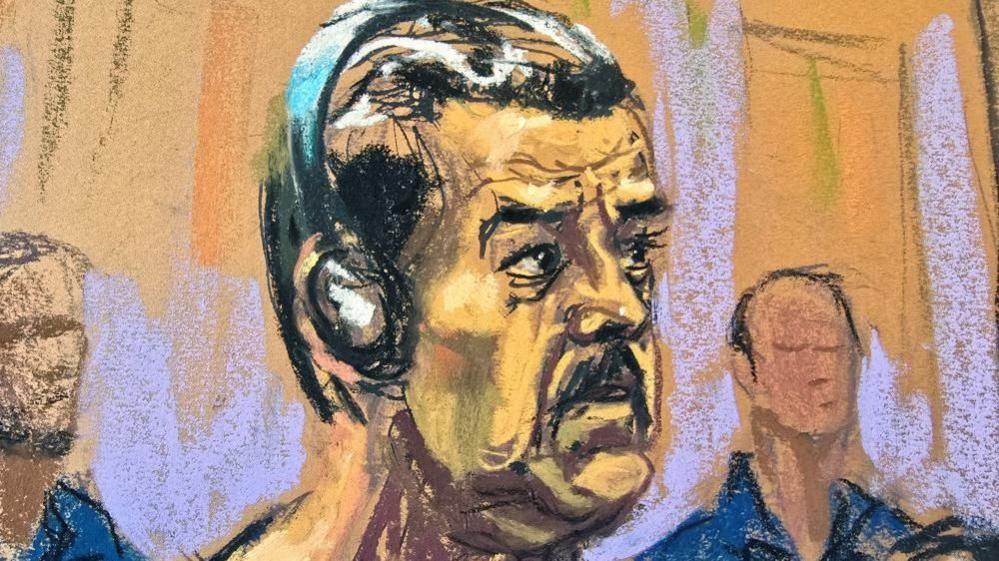
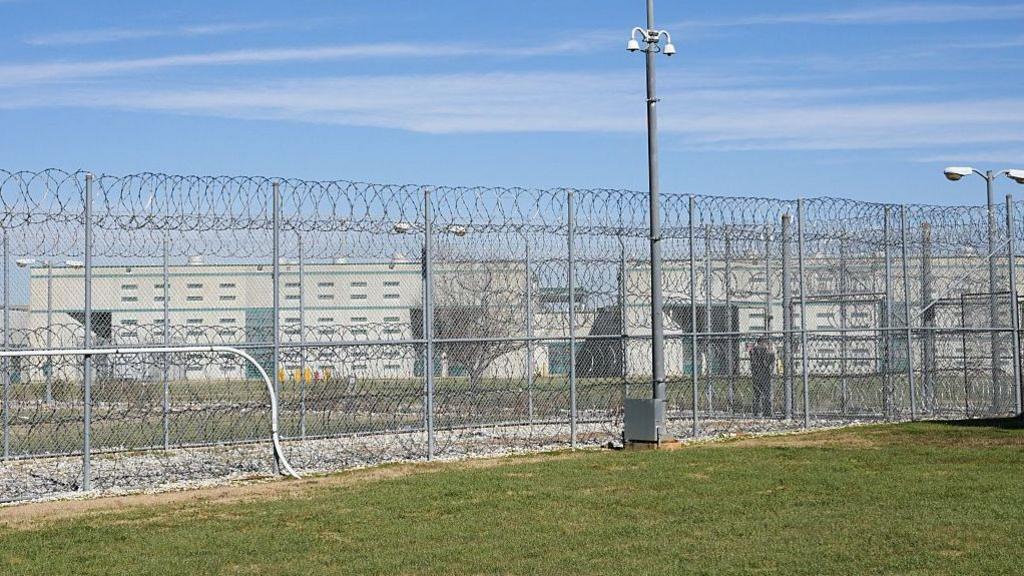
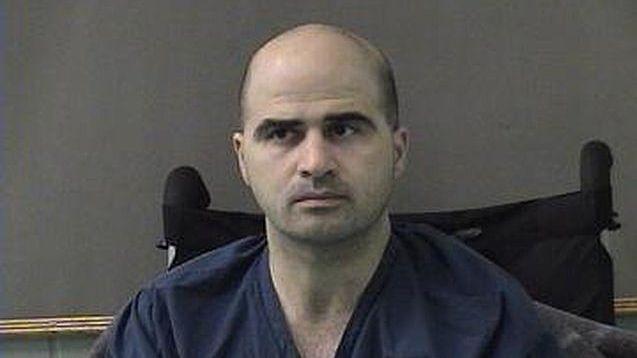
The firing‑squad execution, scheduled for 3 December, is the first formal death sentence meted out by the U.S. military since World War II. Hasan’s 2009 attack on a crowded medical building in Fort Hood killed 13 soldiers and wounded 32. The death penalty requires approval from the president and a series of appellate reviews, and this case could set a controversial precedent.
Digital platforms responded with caution. Meta, YouTube, TikTok and X all prohibit live streams of capital punishment or graphic violence, citing policies against content that “glorifies” violence or “shock and disgust” content. The White House has not yet announced whether it will broadcast the execution on its official social‑media channels.
The debate underscores a broader tension in American society over the criminal‑justice system, the death penalty, and how the state uses media to convey its actions. In the days leading up to the execution, all eyes will be on the Pentagon, the White House and social‑media giants as they navigate the legal and ethical dilemmas posed by a livestreamed execution.