In brief
As the Israel-Gaza conflict intensifies, accusations of war crimes are mounting against both Israel and Hamas. Amidst international scrutiny, calls for a ceasefire are growing, raising questions about the humanitarian impact and the future of diplomatic resolutions.
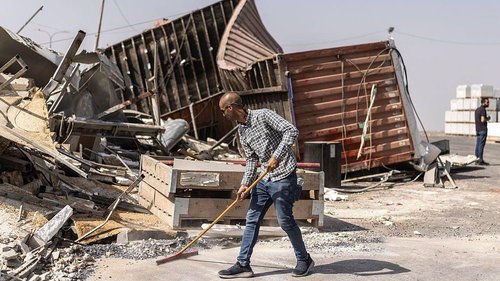
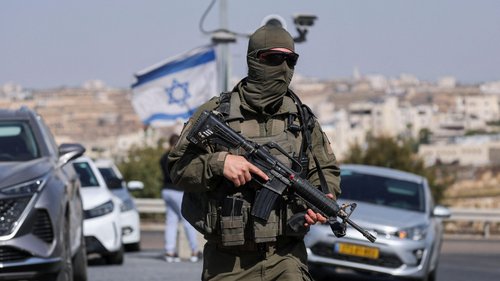
In the wake of the devastating conflict that erupted on October 7, 2023, between Israel and Hamas, mounting evidence suggests that both sides may be guilty of war crimes. Two years prior, Israeli Prime Minister Benjamin Netanyahu viewed the Palestinian issue as one to manage while prioritizing confrontations with Iran. Despite earlier intentions to normalize relations between Israel and Saudi Arabia, the unravelling situation in Gaza has indicated a deeper escalation of violence and distrust.International reporters who first covered the Hamas attack on October 7 have faced challenges, particularly with Israel's restrictions on international journalists in Gaza. This has resulted in an alarming narrative, where nearly 200 Palestinian journalists have lost their lives while trying to report the ongoing crisis. Despite these challenges, significant facts have emerged—Hamas’s whirlwind attack resulted in the deaths of around 1,200 individuals, the majority being Israeli civilians. The terrorist group has also taken 251 hostages, with uncertainty over the fate of those still alive.On the other side, Israel’s military actions have drawn sharp criticism for their alleged breaches of international law involving the suffering of Gazans, the destruction of neighborhoods, and starvation tactics employed against civilians. The International Criminal Court (ICC) has issued arrest warrants for Netanyahu and former defense officials, adding pressure to the internal and external humanitarian discourse against Israel’s prolonged military operation.After the initial wave of support for Israel following the Hamas assault, allies have begun voicing criticism over the humanitarian crisis resulting from Israeli military responses. Countries ranging from the UK to Australia have signed statements condemning the disproportionate response, urging a reassessment of military tactics and humanitarian aid distribution. David Lammy, the UK foreign secretary, echoed similar sentiments in Parliament, with some Labour MPs expressing frustration over the government's hesitance to take stronger actions, including advancing recognition of a Palestinian state.With Israel's Knesset set to enter a lengthy summer recess, Netanyahu finds himself shielded from immediate threats of political fallout regarding a potential truce, largely due to pressure from nationalist coalition members. However, the prospect of a ceasefire appears increasingly achievable, offering a glimmer of hope for Gaza's beleaguered civilians and the hostages held by Hamas. The ongoing conflict, marked by a staggering humanitarian crisis, raises the need for urgent and decisive diplomatic efforts to curb the violence and seek a sustainable resolution to the enduring tensions in the region.