In brief
In a heartfelt push for reclaiming their heritage, members of the Naga tribes in India are rallying to repatriate ancestral skulls displayed in UK institutions, calling into question the ethical practices surrounding colonial acquisitions.
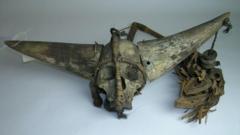
Ellen Konyak, a member of the Naga Forum for Reconciliation (NFR), was taken aback last month when she learned that a 19th-century skull, belonging to a Naga tribesman from Nagaland, was about to be auctioned in the UK. The skull, part of a larger collection amassed by European colonial administrators, was featured at The Swan at Tetsworth antique center. The auction was set under the moniker "Curious Collector Sale," with projected values ranging from £3,500 ($4,490) to £4,000 ($5,132). Many objects, including shrunken heads and skulls from various cultures, were also listed alongside the Naga skull. “To see that people are still auctioning our ancestral human remains in the 21st Century was shocking,” Konyak expressed. Following widespread protests from Naga scholars and the government, the auction was promptly retracted. This incident has reignited the Naga people's long-standing struggle for the repatriation of their ancestral remains, many of which reside in UK museums and private collections. Alok Kumar Kanungo, a scholar of Naga culture, estimates that there are approximately 50,000 Naga objects held in British institutions, with the Pitt Rivers Museum being home to a notable collection of about 6,550 pieces, including 41 human remains.As ethical considerations surrounding the ownership of human remains continue to evolve, museums are re-examining these collections. Cases of repatriation have accelerated, driven by movements for restorative justice in the heritage sector. As noted by Kanungo, human remains are increasingly seen as “white elephants” — no longer mere objects for display, but as emotionally charged symbols of cultural identity. The Pitt Rivers Museum has begun returning items regularly, having returned 22 previously and recently increasing that number to 35. There has been a conscientious effort to address the complexities involved in returning human remains, including navigating international laws and ethical investigations into their provenance. In 2020, Naga skulls from the museum were removed from display as part of an ethical review, coinciding with NFR's requests for repatriation, which had been met with bureaucratic hurdles requiring formal claims and extensive research into lineage and consent. To facilitate this process, NFR formed the Recover, Restore and Decolonise group, which includes anthropologists who focus on reconstructing the history of these collections. “We have to sift through different layers of information,” remarked Arkotong Longkumer, a member of the initiative, describing their work akin to detective work. For the Naga people, this endeavor transcends logistical concerns; it is fundamentally tied to their spiritual identity. Konyak articulates the need for reclaiming ancestral remains not just as possessions, but as integral elements of their history and respect for their forebears. They have also embarked on educational outreach, visiting villages, engaging elders, and discussing ceremonial aspects of the repatriation. Cultural continuity is a delicate topic, as most contemporary Nagas are Christians, contrasting with their ancestors' animist practices regarding birth and death rituals.Ultimately, this rebirth of awareness sparked by the auction incident has galvanized support for the Naga's rights to their cultural heritage. Konyak reflected on her own ancestry, realizing that a skull listed among the catalogued remains belonged to someone from her village. “We want them back as a mark of respect to our elders,” she emphasized. It is a heartfelt plea for understanding and recognition of a historical narrative that has long been overlooked.