In brief
As the Canadian federal election approaches, Western alienation sentiments intensify in Alberta, as a grassroots movement pushes for independence from Canada amid calls for greater autonomy.
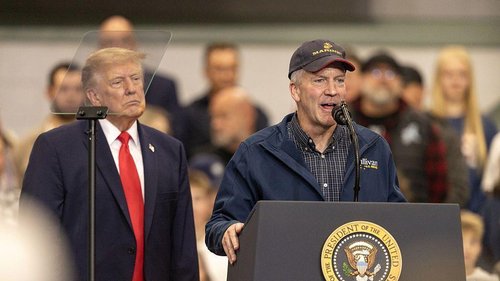
In the heart of Lethbridge, Alberta, a crowd of around 100 gathered this week to discuss a pressing issue: the future of Alberta. Dennis Modry, a retired heart surgeon and co-leader of the Alberta Prosperity Project, presented a bold question to attendees: Should Alberta seek independence from Canada? This inquiry elicited a mixed response, with a significant number acknowledging the urge for separation, and about half expressed support for Alberta potentially joining the United States.The backdrop for this separatist sentiment has intensified due to remarks by U.S. President Donald Trump, who suggested the idea of making Canada the 51st state. "We're not interested in being a state," Modry clarified, emphasizing a desire for Alberta’s sovereignty instead. Joining him, fellow co-founder Jeffrey Rath noted similarities between Alberta and neighboring U.S. states, indicating that culturally, Albertans might connect more with regions like Montana and Texas than with other Canadians.Previously regarded as fringe ideas, independence discussions are now taking center stage, spurred by a sense of western alienation. Notable figures like Preston Manning, a key player in Canada’s conservative movement, voiced concerns that continued Liberal governance could lead to a "vote for Western secession."This perception of neglect from Ottawa is common among residents in Alberta and Saskatchewan, whose economic contributions, particularly from the oil and gas sectors, are paradoxically overshadowed by more populous Eastern provinces. Anger peaked during the tenure of former Prime Minister Justin Trudeau, with many Albertans feeling unfairly targeted by environmental policies hindering economic growth in their provinces.With the federal election looming, polls indicate the possibility of a fourth consecutive Liberal victory, a prospect that further fuels regional discontent. Alberta Premier Danielle Smith has even suggested that if the federal government fails to fulfill Alberta's economic demands post-election, it could spark a "national unity crisis." Despite Smith's dismissal of outright secession talk, critics accuse her of stirring separation sentiments during a sensitive time for the nation’s unity.Amid discussions, a common divide exists within the independence movement itself. While some activists, like Lorna Guitton, advocate for improved relations with Ottawa rather than full independence, others, like Rath, picture a future where Alberta aligns with U.S. interests, emphasizing shared political and economic values.Nonetheless, many Albertans remain skeptical of the independence narrative. Individuals like Steve Lachlan argue for unity, insisting that while a lack of representation exists in Ottawa, separation is not the answer. As for voting trends, a significant demographic shift could lead to an increased number of Liberal representatives from Alberta, indicating that not all constituents are aligned with the independence movement.As election day approaches, the diversity of opinion regarding Alberta's future reflects broader tensions within Canadian society and the complexities of federal representation, with many eager to see how this evolving narrative will play out in the political landscape.