In brief
Ukraine has pushed Russian forces back 277 km² in eastern Donbas, a milestone of Operation Vivaldi, driven by drones that counter Russian air patrols. Central to the success is Starlink, the military‑grade satellite network that gave soldiers real‑time situational awareness. Suddenly, Kyiv reports U.S. restrictions halted the system without notice, raising doubts about future battlefield connectivity. Despite the setback, Ukrainian morale remains high as troops celebrate regained territory and hope for a decisive victory.
A swallow‑night of moving fronts has turned the tide on Ukraine’s eastern front as Commanders in Lyman now control 277 sq km of battle‑scarred land, the first clear gain since the war’s start. More than 250 Russian troops have surrendered, and soldiers say “the operation feels like a reset,” as they walk back to a new line of defense.
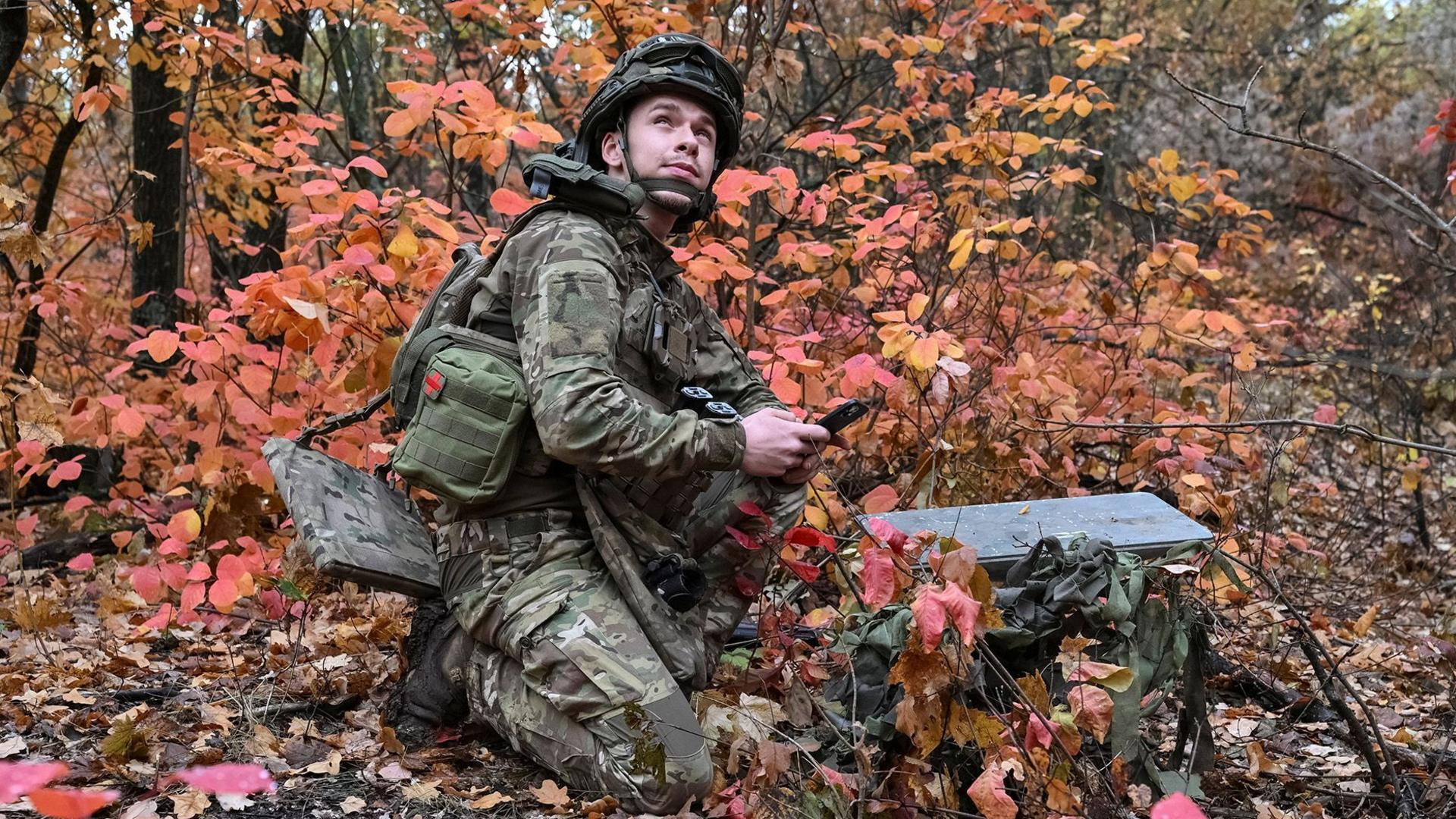
At the heart of the breakthrough are unmanned systems that have out‑flanked home‑grown drones. In one opening, a Ukrainian attack drone snagged a Russian reconnaissance skyrider and trailed it to its death. The incident illustrates the layered battlefield: satellite‑fed live video reaches a bunker, ground forces sweep, and military‑grade Starlink shares data to coordinate strikes in real time.
Starlink’s enterprise version, called Starshield, offers fast, low‑latency broadband across firelines, feeding everything from GPS targeting to remote weapons. Ukrainian analysts say it is “the nerve‑center” that keeps the 10‑round‑a‑day drone barrage in balance. Yet when Kyiv announced a new restriction this week, it left the network with silent screens. Tech spokespersons suggest the order originated from Washington, pending security reviews.
The night‑time “does it put a trade‑off?” lost a touch of clarity for troops on the front. “We know the messages come fast,” says Dealer, a 23‑year‑old infantryman. “When Starlink cuts out, I feel the ground shift. But we still push forward.”
On the ground, the ‘Silver Trinity’ unit—an elite brigade‑matrix—reports a dramatic improvement in hit‑rate, training reversed from a defensive posture to a proactive offensive. Commandant Phoenix explains, “The change was enormous; we had to restructure our entire approach.” His men deployed remote‑controlled explosive carts against entrenched positions, turning mobile firepower into a living fleet.
The gains, however, are not only military. Rowe Wali, a 61‑year‑old civilian left in the ruined village of Karpivka, says liberation means the chance to rebuild. “I am the only person left in the village, and the houses are crushed,” he says, eyes bright with what a returning home might be.
As Ukraine’s president declares victory over Russian pincer movements, the Secretary of State’s reluctance to confirm the impact of Starlink cuts a strange echo across the battlefield. “If this essential tech is suddenly gone, the idea of holding this line changes,” a defence analyst told us. The U.S. Senate has already called for a probe, adding political weight to the operational loss.
Despite political uncertainty, morale remains high for soldiers returning from Lyman’s 95‑day advance. “I know we can win,” feeds Dealer, smiling as a drone drops a food parcel onto the bunker. “Every step back is a step forward.”