In brief
U.S. officials have confirmed a forthcoming announcement that will grant Saudi Arabia a civilian nuclear programme, including the ability to enrich uranium on‑site. The deal, expected to be unveiled by President Donald Trump’s administration, could be worth billions and involve U.S. companies building enrichment facilities. While Saudi Crown Prince Mohammed bin Salman has denied weapon ambitions, critics fear the agreement could pave the way for a future nuclear capability, raising alarms among non‑proliferation advocates. The proposed 30‑year pact will be sent to Congress, where some lawmakers on both sides of the aisle already signal opposition. The deal proceeds without linking it to Saudi-Israeli diplomatic normalisation, reflecting a long‑standing U.S. goal.
U.S. plans to give Saudi Arabia nuclear rights
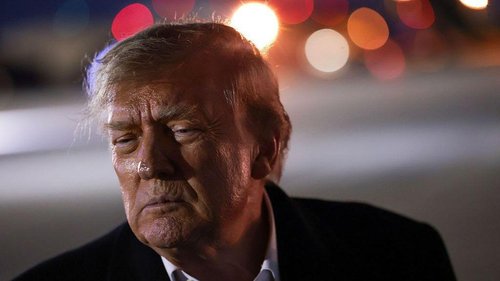
According to U.S. media reports, President Donald Trump’s administration is set to announce a deal that will allow Saudi Arabia to develop a civilian nuclear programme. The agreement, expected this Wednesday, could be worth billions of dollars, involving U.S. companies that may build facilities to produce enriched uranium for power plants and, potentially, weapons.
Under the terms, Saudi Arabia would be permitted to enrich uranium on Saudi soil at a U.S.-built enrichment facility after a joint study. This differs from a 2009 U.S. pact with the United Arab Emirates, where the partner cannot produce its own fuel under any circumstances.
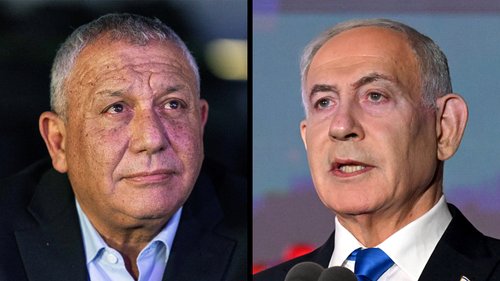
Nuclear experts and former Israeli officials have warned that the arrangement could enable Saudi Arabia to acquire a nuclear weapon in the future, sparking concerns for the broader non‑proliferation regime. The U.S. media note that the deal will be sent to Congress, where bipartisan opposition is expected despite the Republican majority in both houses.
The plan is not contingent on Saudi normalisation of ties with Israel—a long-standing U.S. objective—although the U.S. and Saudi have debated that approach for years.
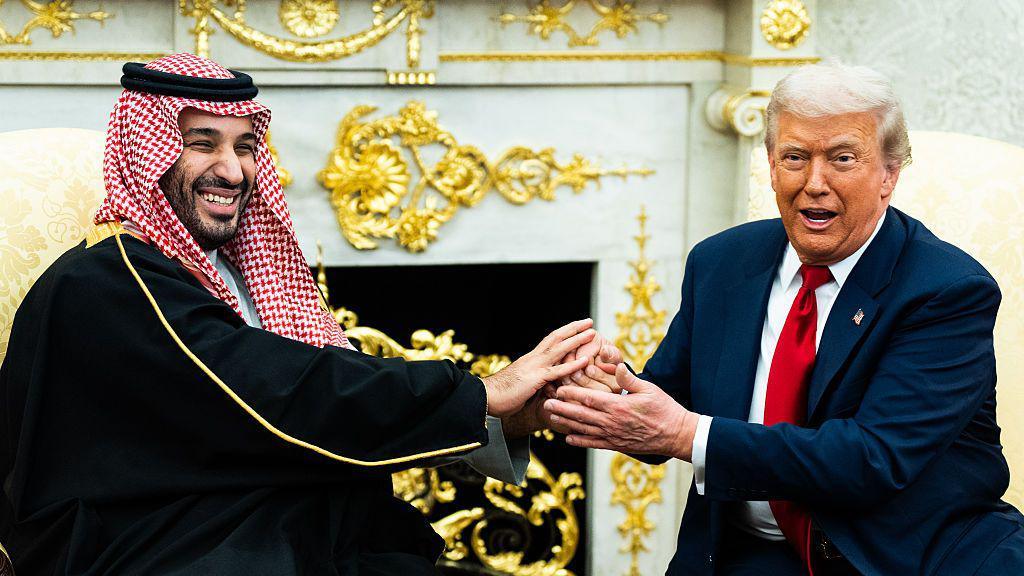
Key stakeholders: Saudi Crown Prince Mohammed bin Salman, who previously defended Saudi policy on nuclear matters; U.S. Senate and House lawmakers; and international non‑proliferation groups eager to curb the spread of nuclear technology.
The announcement comes amid a months‑long U.S.–Israeli dispute over Iran’s nuclear ambitions, a conflict that has heightened regional security stakes.
This deal, according to the Wall Street Journal, will remain in force for 30 years, with a 10‑year restriction on Saudi enrichment if U.S. authorities object after the joint study.
The news is being reported live, with updates forthcoming as the U.S. government reveals the full terms.