In brief
The United States launched a new wave of missile strikes against Iranian targets, marking its sixth consecutive night of attacks as the two sides battle for control of the strategic Strait of Hormuz. Centcom claimed the strikes aimed to degrade Iranian military capabilities, targeting locations near Qeshm, Bandar Abbas and the Bushehr nuclear site. Tehran responded by striking US bases in Jordan, Kuwait and Bahrain, while the US said it had launched strikes across the strait for six hours. President Trump remains open to diplomacy but warned Iran would face consequences for any further attacks.
The United States began its sixth consecutive night of missile strikes against Iranian targets, intensifying the conflict over control of the Strait of Hormuz.
Centcom said the attacks were intended to further degrade Iranian military capabilities and targeted sites near Qeshm, Bandar Abbas and the Bushehr nuclear plant.
The exchange of hostilities follows a brief flare last night, sharpening tensions surrounding a preliminary deal aimed at ending the war.
White House press secretary Karoline Leavitt indicated the US remains open to dialogue but would hold Iran accountable for any continued attacks on shipping lanes in the strait.
Iranian officials have responded by striking US military bases in Jordan, Kuwait and Bahrain, while the US claims it launched six hours of strikes across the straits.
President Trump has stated that the US will accept diplomatic efforts but will enforce consequences for further aggression.
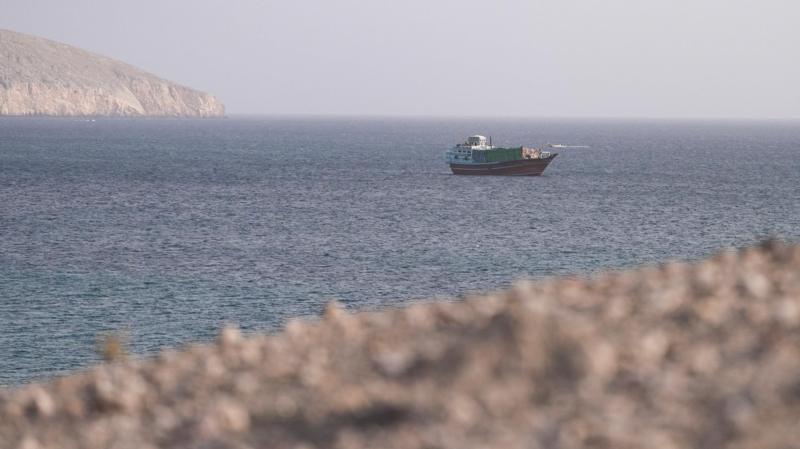
The strategic waterway has remained closed, limiting international shipping that supplies global markets for energy and materials.
Iran’s top negotiator Mohammad Bagher Ghalibaf said Tehran would not abide by any deal that does not favor the country, stressing the importance of maintaining its own arrangements in the region.