Washington has decided to reject a long‑term renewal of the US‑Mexico‑Canada Agreement in its current form, a senior official said.
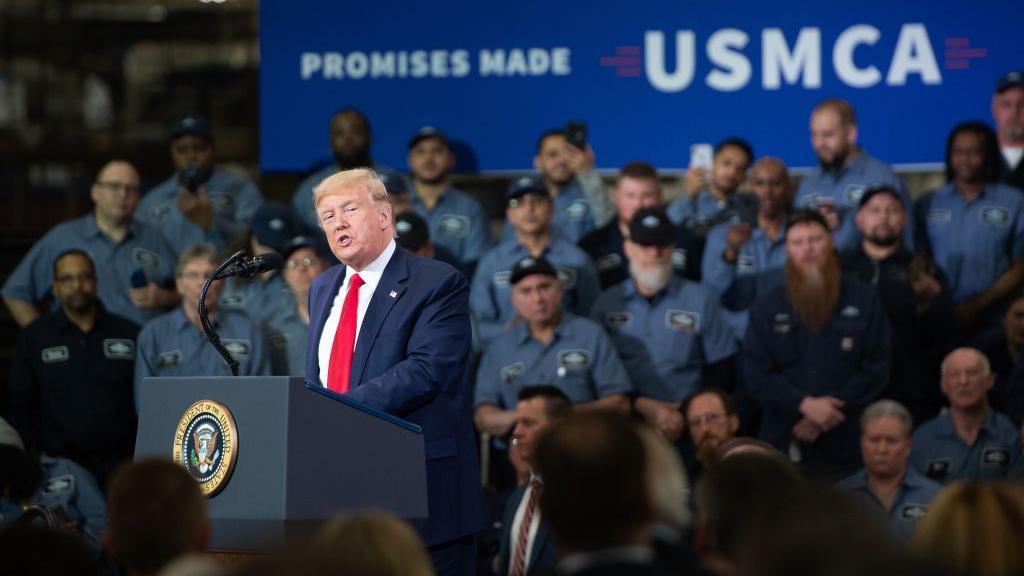
The pact—signed in 2020 to replace NAFTA—covers about $2 trillion in trade and was designed to extend automatically for 16 years. Instead, each nation will now have to approve renewal on an annual basis, shifting the deal into a yearly negotiation cycle.
The U.S. cites unresolved issues in automotive rules of origin, dairy market access and the desire to prevent third‑party markets such as China from exploiting the framework as reasons for its stance.
A missed unanimous vote could trigger a countdown to the treaty’s expiration as early as 2036, short of the 2042 horizon the original agreement stipulated.
Manufacturers, farmers and investors now face an annual review process that brings potential supply‑chain disruptions and investment delays, adding fresh economic uncertainty across North America.
The U.S. Chamber of Commerce alerts that sectors such as manufacturing and agriculture rely heavily on cross‑border certainty. By contrast, domestic trade groups like the American Iron and Steel Institute welcome the shift, claiming that yearly reviews grant American negotiators more leverage to address specific deal flaws.
Observers warn that the lack of a long‑term commitment may ultimately alter the balance of trade within the region, as the tri‑country pact will now face increasing friction every year that could reshape North‑American economic governance.