In brief
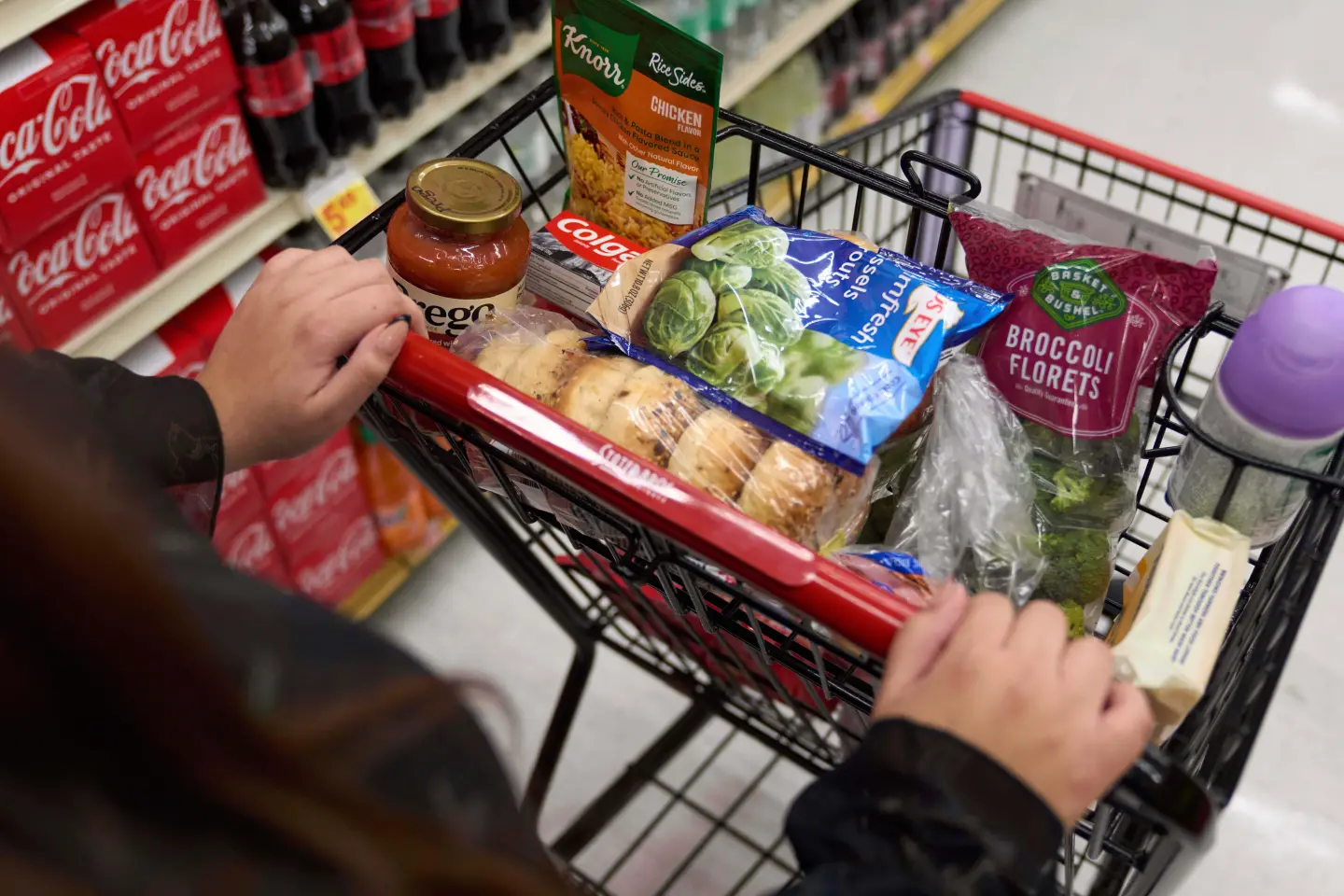
The U.S. Department of Agriculture announced that no federal food aid benefits will be issued on November 1 as the government shutdown continues. The decision affects approximately 40 million Americans who rely on the Supplemental Nutrition Assistance Program (SNAP) for groceries. The USDA highlighted that no contingency funds are available to cover benefits, leading to increased pressure on families in need. Lawmakers are divided over the shutdown, with Democrats seeking negotiations while Republicans hold firm on their stance.
The U.S. Department of Agriculture has posted a notice on its website saying federal food aid will not go out Nov. 1, raising the stakes for families nationwide as the government shutdown drags on.
The new notice comes after the Trump administration said it would not tap roughly $5 billion in contingency funds to keep benefits through the Supplemental Nutrition Assistance Program, commonly known as SNAP. This program assists about 1 in 8 Americans in purchasing groceries.
“Bottom line, the well has run dry,” the USDA notice states. “At this time, there will be no benefits issued November 01. We are approaching an inflection point for Senate Democrats.”
The shutdown, which began October 1, is now the second-longest on record. While steps were taken prior to the shutdown to ensure SNAP benefits were paid for October, the cutoff would significantly impact a broader range of Americans, particularly vulnerable populations, unless a resolution is reached soon.
The administration has laid blame on Democrats for the impasse, while Democrats maintain that they won't agree to resume government functions without Republican negotiations on extending expiring subsidies under the Affordable Care Act. Republicans counter that Democrats must first agree to reopen the government.
Democratic lawmakers have written to Agriculture Secretary Brooke Rollins requesting to use contingency funds to cover the bulk of next month’s benefits, but a USDA memo states that these funds are not legally available for regular benefits.
As states grapple with the implications, some have pledged to keep SNAP benefits ongoing, although they question if U.S. government directives might restrict their actions. Other states warn SNAP recipients to prepare for a suspension of benefits, advising them to identify food resources within their communities.
Senator Chris Murphy (D-Conn.) criticized Republican leadership for the lack of negotiation, suggesting that compromise could lead to a swift resolution of the crisis.