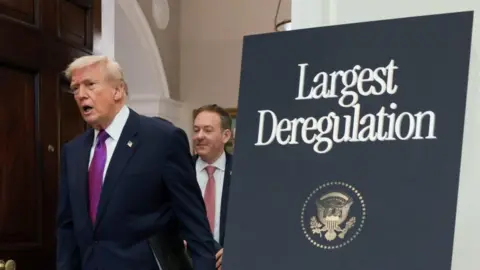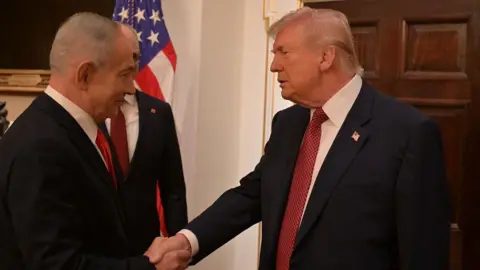
As Iran and the United States prepare for a pivotal round of nuclear negotiations in Rome, expectations for a peaceful resolution are clouded by rising military threats and mixed signals from both sides. US President Donald Trump has consistently highlighted Iran's critical choice: either to pursue a deal or prepare for war. His administration has previously indicated that Israel may take the lead in any military action should dialogue fail.
Recent reports suggest Trump has hesitated on an Israeli strike against Iranian nuclear sites, maintaining that he prefers to explore diplomatic avenues first. "I think that Iran has a chance to have a great country and to live happily without death... That's my first option," he stated, while reiterating he would make a swift decision regarding Iran.
Despite both sides describing their initial talks held in Oman last weekend as productive, Trump emphasized the need for a rapid conclusion to the discussions. The backdrop of these negotiations is Trump's controversial withdrawal from the 2015 nuclear deal in 2018, which had placed restrictions on Iran's nuclear activities in exchange for sanctions relief. Following the withdrawal, Iran ramped up its nuclear activities and amassed a stockpile of highly-enriched uranium, which it claims it has no intention of weaponizing.
Iran asserts its engagement in the talks is not influenced by the threat of military action. The Supreme Leader, Ayatollah Ali Khamenei, has emphasized that negotiations were only accepted because the US's demands were limited strictly to nuclear issues. However, reaching a consensus on the nuclear program remains elusive.
The US negotiating team, led by Special Envoy Steve Witkoff, aims for any agreement to provide a framework for peace and stability in the Middle East, necessitating the elimination of Iran's nuclear enrichment initiatives. Contradictory statements from Witkoff further muddy the waters, with indications that Iran may be allowed to continue certain aspects of its enrichment processes.
As diplomatic efforts intensify ahead of the upcoming talks, with Saudi Arabia reaching out to Iran and high-level engagement in Moscow, the atmosphere remains tense. Tehran has pledged to retaliate against any US military aggression aimed at its nuclear facilities while maintaining that its enrichment rights are non-negotiable.
Both nations are framing their respective narratives regarding the negotiations, creating a landscape of distrust. While the US claims direct talks, Iran characterizes them as indirect, mediated through Oman. Despite initial optimism following the first session, Iran's leaders are wary, with a mix of caution surrounding the potential for either conflict or civil unrest at home due to dire economic conditions exacerbated by global sanctions.
As both parties prepare for the next round of talks, the stakes remain high, and the potential for both diplomatic success and military escalation is palpable.