In brief
The Foreign Secretary Ed Miliband will unveil new sanctions on products made in Israeli settlements in the West Bank, signalling a dramatic shift in Britain’s policy toward Israel and Palestine. The moves may target agriculture and other goods from these illegal settlements, and are part of a broader “comprehensive reset” of the UK’s Middle‑East stance. Israeli authorities have warned of retaliation, while the UK stresses the need to protect a viable two‑state solution. The announcement follows growing violence by settlers and Israel’s plans to expand settlements in the contested E1 area east of Jerusalem.
Britain’s Foreign Secretary Ed Miliband is scheduled to present new trade restrictions on goods produced in Israeli settlements in the West Bank during a Commons address on Tuesday. The measures form part of a so‑called "comprehensive reset" in the UK’s policy toward Israel and the Palestinians, an initiative that aims to curb the rapid expansion of settlements that many international bodies deem illegal under international law.
Under the proposed sanctions, the UK would ban the import of goods such as certain agricultural products manufactured in the settlements, and may extend restrictions to related services. MPs briefed on the draft say the ban would affect both the sale of goods and the provision of services linked to the settlements.
Israel has warned it could retaliate against any new restrictions, but government officials say that the policy reflects a decisive move to support a viable two‑state solution. It also coincides with the UK’s recent recognition of Palestinian statehood and a stated moral obligation to promote peace in the Middle East.
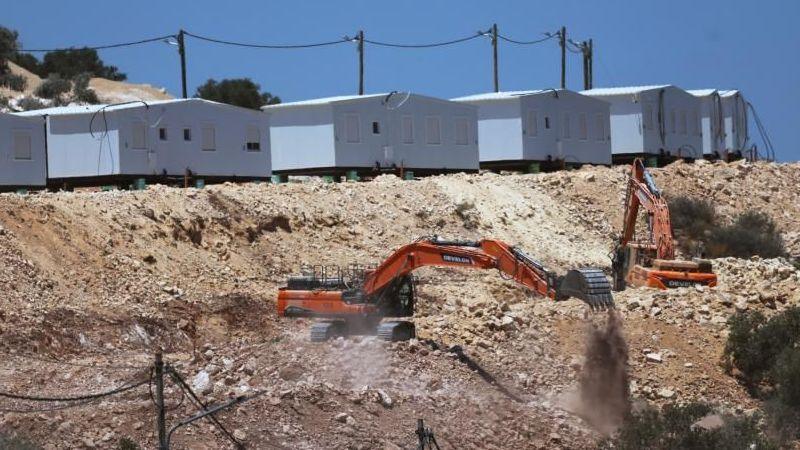
East Jerusalem’s E1 area has come under international scrutiny after Israel opened tenders for the construction of some 1,200 new settlement homes. The expansion has drawn condemnation worldwide and further fuels the tensions that underpin the urgency of the UK’s new measures.
Prime Minister Andy Burnham confirmed to Labour MPs that Miliband would present the statement, citing a need to reduce the potential for conflict and to safeguard Palestinian rights. Burnham also highlighted the significance of the shift following a conversation with U.S. President Donald Trump, during which the two leaders discussed the broader impact on Israel‑Palestine relations.
For context, the settlements in question are the result of decades of Israeli government activity in the West Bank and East Jerusalem, where Palestinian residents seek land for an independent state. The rise in settler violence since the outbreak of the Gaza war has intensified calls for a halt in settlement expansion and a re‑evaluation of international trade ties linked to these areas.