In brief
Ukrainian citizens are voicing their dissent in the streets after President Volodymyr Zelensky signed a bill that threatens the autonomy of key anti-corruption institutions, a move met with widespread protests and international concern.
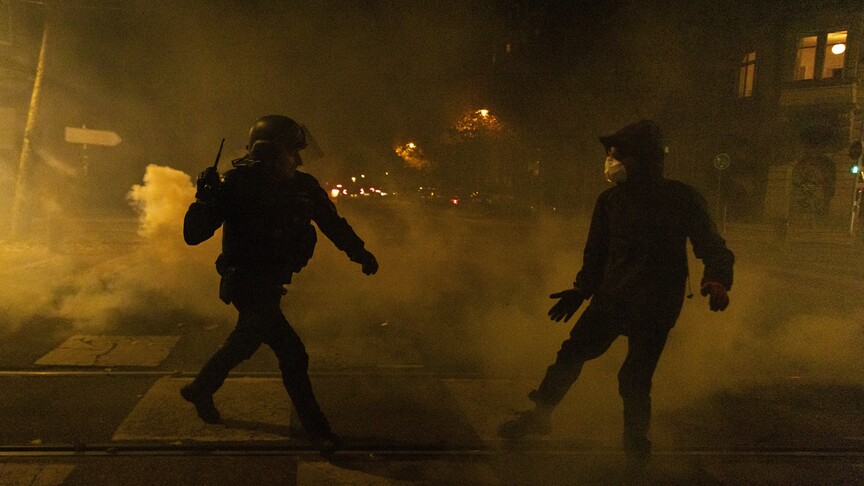
Ukrainian President Volodymyr Zelensky has ignited a wave of protests following the recent enactment of a controversial law aimed at reforming the nation's anti-corruption framework. Critics argue that the legislation significantly undermines the independence of crucial institutions such as the National Anti-Corruption Bureau (Nabu) and the Specialized Anti-Corruption Prosecutor's Office (Sapo) by placing them under the influence of the prosecutor general.In his address on Wednesday, Zelensky defended the new law, asserting that both Nabu and Sapo would continue to operate but need to be purged of what he described as “Russian influence.” His remarks have not quelled the unrest; in fact, they have sparked the largest anti-government protests in Kyiv since Russia's full-scale invasion began in February 2022. Demonstrations also spread to other cities, including Lviv, Dnipro, and Odesa, where protesters—holding signs declaring “We chose Europe, not autocracy” and “My father did not die for this”—express their fears over the nation’s democratic backsliding.The legislation grants chief prosecutor and Zelensky ally, Ruslan Kravchenko, the authority to reassign anti-corruption investigations potentially to more compliant personnel, raising alarms about the future efficacy of the nation’s anti-corruption safeguards. Zelensky criticized the previous lack of action on corruption cases, implying a need for greater control to ensure justice is served swiftly.Opponents of the law view this as a severe retreat from Ukraine's long-standing pro-democracy and anti-corruption commitments, aspirations that fueled the Euromaidan uprising and contributed to the fall of pro-Russian president Viktor Yanukovych in 2014, prior to the ongoing Kremlin-led aggression resulting in massive casualties.Internationally, the bill has stirred discontent among Ukraine's Western allies. The European Union, which had a hand in establishing Ukraine’s independent anti-corruption framework as a prerequisite for aid, expressed worry regarding the legislation's implications. EU representatives highlighted the essential nature of Nabu and Sapo for Ukraine's aspirations toward transparency and democratic governance, emphasizing that they are vital for the nation’s EU candidacy.European Commissioner for Enlargement, Marta Kos, was particularly vocal, denouncing the legislative move on social media and stating that it represents a critical regression in Ukraine's democratic safeguards. Meanwhile, G7 ambassadors are keen to discuss the pressures facing Nabu and Sapo with Ukrainian officials.Despite the international outcry, experts agree Ukraine's allies may hesitate to withdraw support, given the ongoing conflict and the complexities of the battlefield. As Zelensky navigates this turbulent landscape, the future of Ukraine's anti-corruption framework hangs in the balance, calling into question the nation’s trajectory toward democracy amidst persistent corruption challenges.