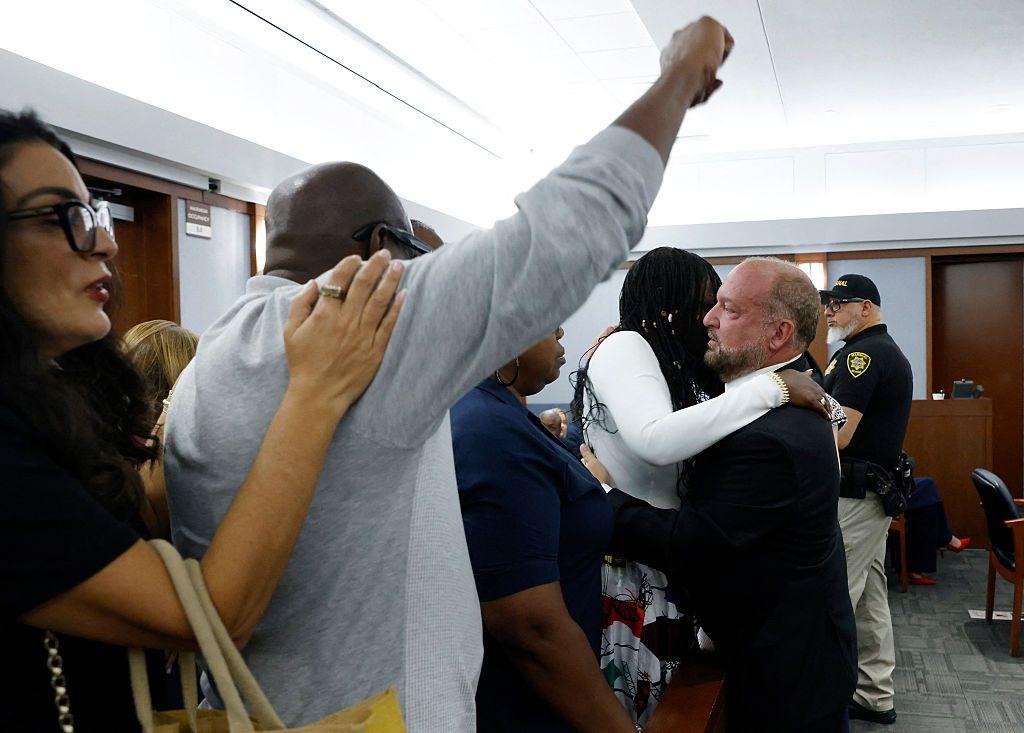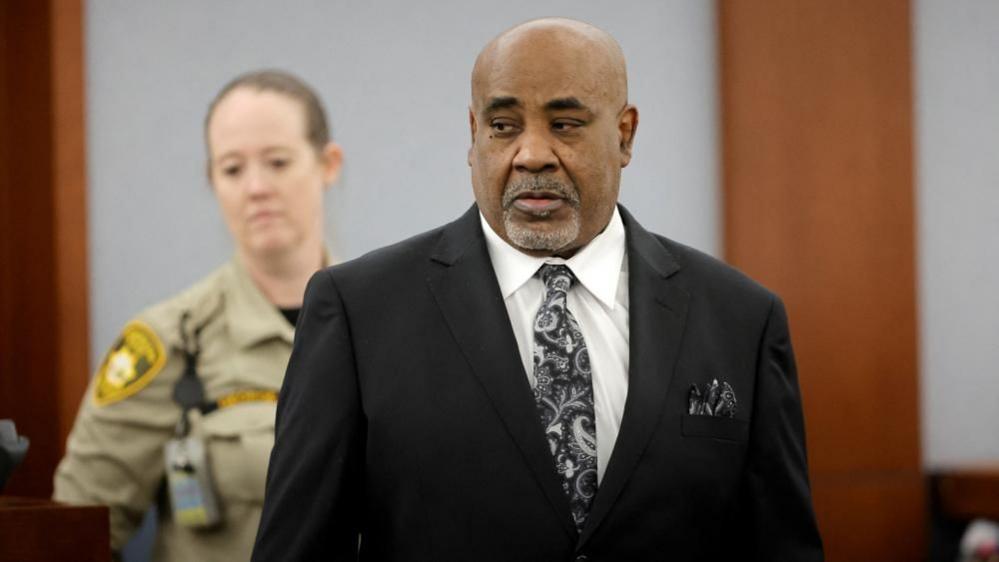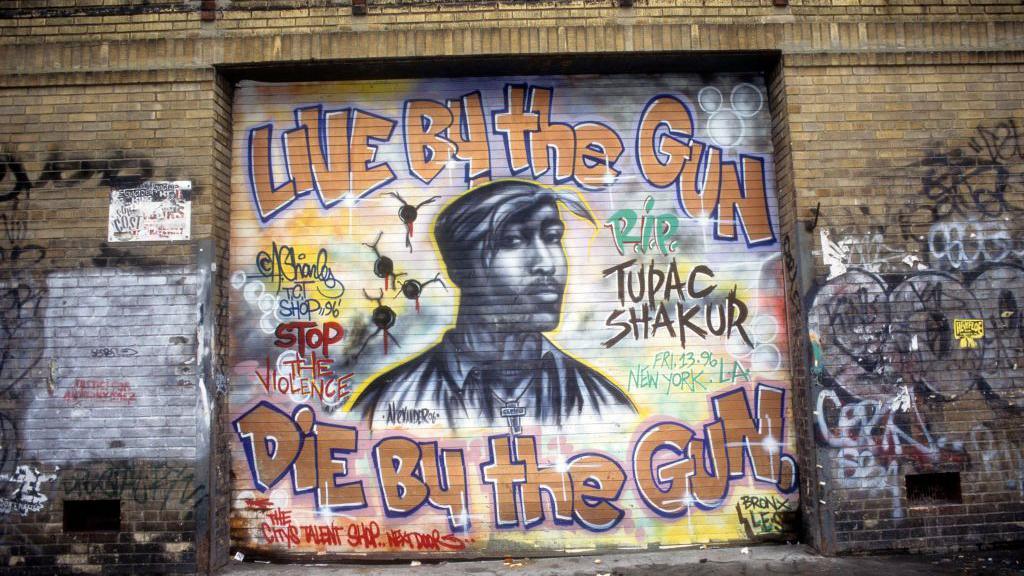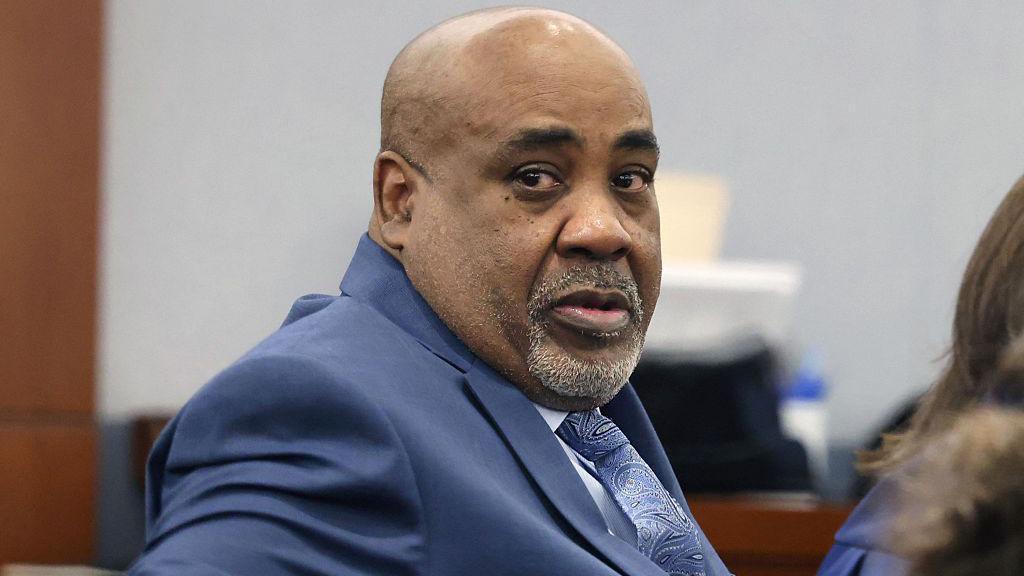
In opening statements on Monday, prosecutors framed former gang chief Duane "Keffe D" Davis as the mastermind of the 1996 drive‑by shooting that killed rapper Tupac Shakur.
Witnesses transported a jury back to September 7, 1996, a night of tangled rivalries between West Coast rap crews and street gangs. The proceedings unfolded against a backdrop of distrust with police and the local hip‑hop community, a fact prosecutors say left the case lingering in limbo for three decades.
Davis, 63, is charged with Shakur’s murder. Prosecutors argue he did not pull the trigger, but orchestrated the attack in retaliation for a beating of his nephew, Orlando Anderson, that had occurred hours earlier. Plaint‑damant says, "Duane Davis did not pull the trigger. He did plan the shooting."
Defense attorneys call the prosecution’s narrative "fiction," noting that Davis’s co‑authored memoir was marketed as a personal history but contains embellished details. A judge ruled the memoir could be introduced as evidence, a decision that the defense contends undermines the integrity of the case.
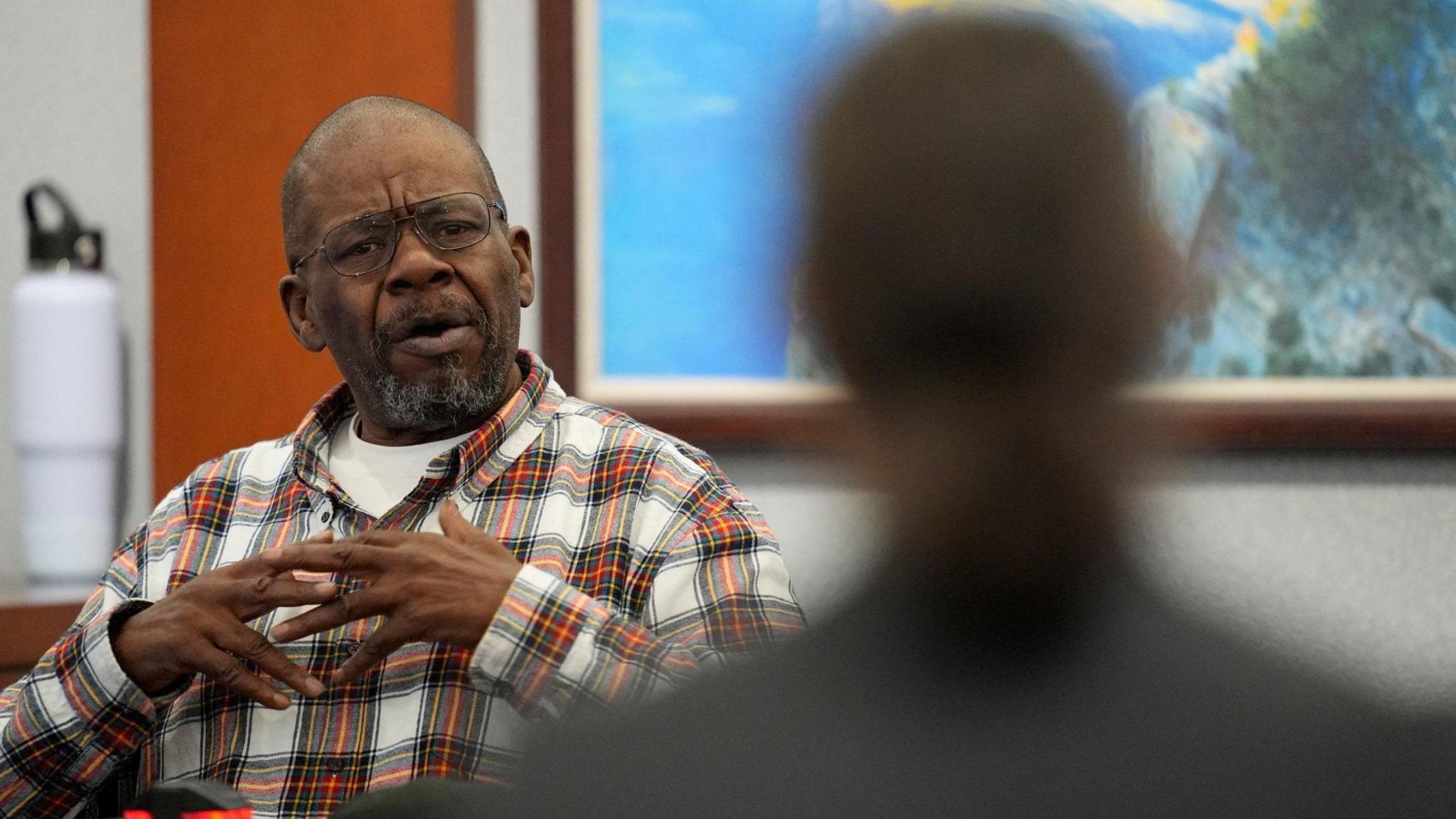
Key witnesses include former Las Vegas Police Officer Garry Dale, who recounted riding in an ambulance with Shakur after the shooting. He reports the rapper refused to provide any information on the shooting, telling officers, "We'll take care of it." Mendes recalls how the night turned chaotic when weapons were ignited and the street echoed with gunfire, prompting survivors to exclaim, "All hell broke loose."
The prosecution’s case hinges on gang dynamics: a white Cadillac, a convoy of cars, and an encounter that brought Shakur and Death Row Records co‑founder Suge Knight into the path of a zero‑sum retaliation. Davis, according to prosecutors, was the passenger who passed a handgun to Anderson, who then fired into the rap half‑car.
Witness Ingrid Stokes describes the night, saying she and friends were driving around Vegas, placed in a risky situation when a car tried to overtake them. “At a traffic light we saw a gunshot behind us," she told the court, laying the emotional groundwork for the prosecution’s narrative of a sudden, violent escalation.
Throughout the day, Davis’s legal team challenged inconsistencies, missing police reports and alleged bias in detective work. They argued that witnesses altered their testimonies over time, influenced by money, media coverage or investigative suggestions.
For all the latest updates, tune into BBC Sounds’ "Fame Under Fire: The Tupac Murder Trial" podcast, available wherever you get your BBC podcasts.