In brief
During the second day of the lawsuit charging Duane "Keffe D" Davis—an alleged mastermind behind the killing of rapper Tupac Shakur—a former entourage member testifies in a confrontational manner, warning against pressuring him to identify perpetrators. The witness, James "Mob James" McDonald, claims he was threatened with contempt of court if he refused to speak and insists that speaking could unfairly expose Davis to a prison sentence. The trial, set 30 years after the tragic death, revisits key events, including gang rivalries, the impact of the 1996 shooting, and the complex street code that shaped the Hollywood music scene during that era. The courtroom drama unfolds with testimony influencing key legal arguments and public perception of the case.
Witnesses turn hostile in high‑profile trial
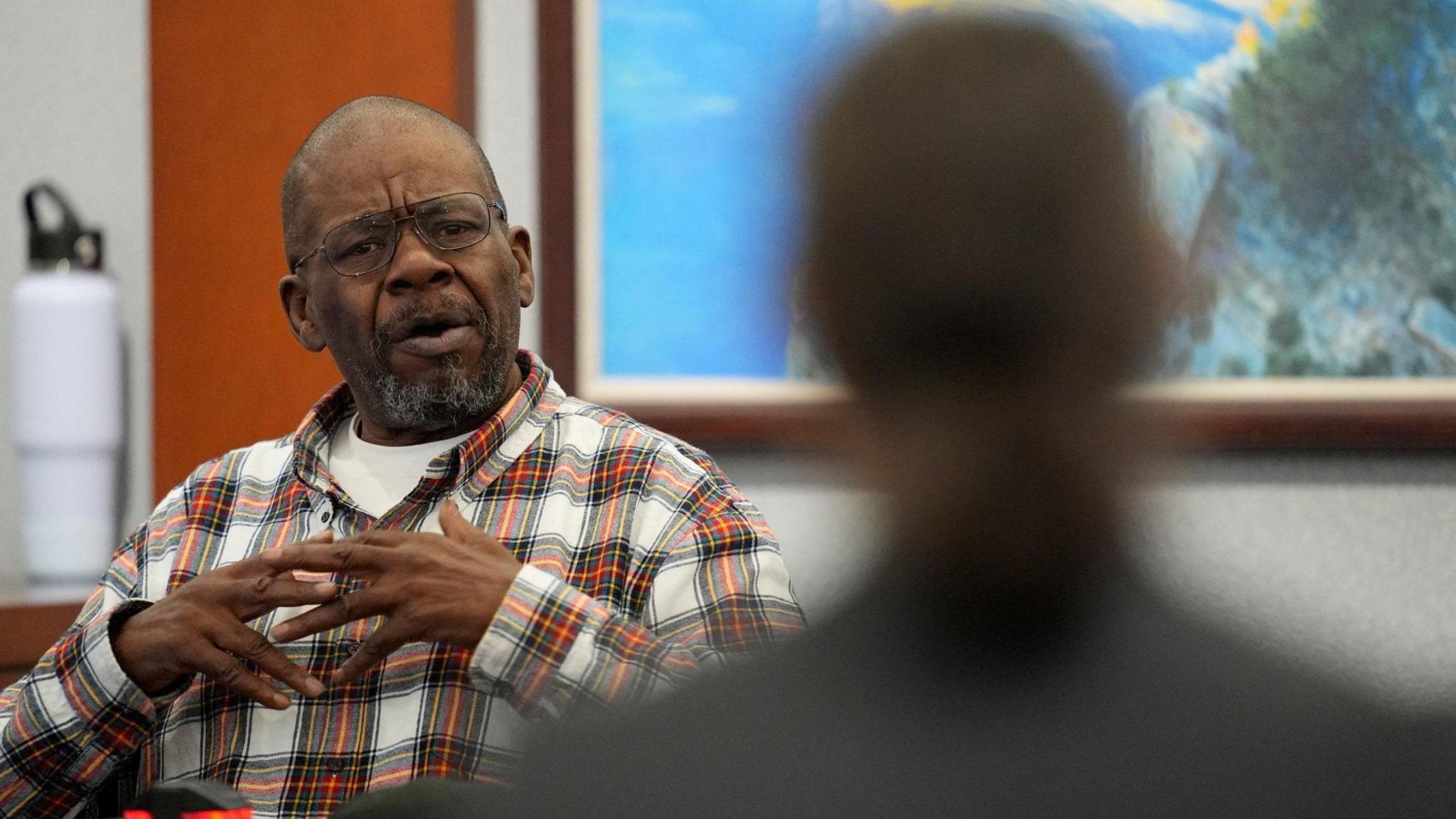
In the heated courtroom of the Clark County District Court in Las Vegas, former member of rapper Tupac Shakur’s entourage, James “Mob James” McDonald, testifies on Tuesday, calling upon the jury to overlook the danger of a gang‑influenced culture. McDonald claimed he was threatened with contempt if he ignored the question shuttles from the defense, and warned that his answers could “hurt” the defendant, Duane “Keffe D” Davis, who is charged with orchestrating the 1996 shooting that killed the 25‑year‑old artist.
During the cross‑examination, McDonald raised his voice and, visibly frustrated, asserted, 'I don't want to send him to prison, even though we don't like each other. I don't want to send you to prison.' He was accused of standing in the light of the jury’s scrutiny, as the defense tried to steer him toward a narrative that keeps Davis out of jail rooms. The witness stated he was not physically present at the shooting, but claimed that Shakur’s entourage quickly identified involved parties in the aftermath.
The trial, expected to run through a month, is a long‑awaited effort by prosecutors to finally close the case. It revolves around the night a drive‑by shooting left Shakur wounded and, days later, dead in a hospital after a planned retaliation for a prior conflict between Davis’s nephew, Orlando Anderson, and Shakur. The prosecuting team maintains that Davies modeled the attack to counter this earlier clash, citing the cultural climate of the ’90s where gang affiliation often eroded cooperation with law enforcement.
Additional witness Reggie Wright Jr., a former security guard who later became the general manager of Death Row Records, also testifies, helping the defense to paint a picture of a musician’s entourage stiffened by the lingering threat of retaliation. Wright’s role and his management at the label after Suge Knight’s departure raise questions about the evolving hierarchy that may have influenced the shooting dynamics.
Behind the courtroom chatter lies a larger narrative where the 1996 killing could not be answered without turning public scrutiny onto a figure in the public eye. The debate about the extent of Davis’s involvement remains fiercely contested, casting a long shadow over a case that has haunted legal scholars and music fans alike for decades.