In brief
On Thursday, Donald Trump unveiled a pair of executive orders that expand restrictions on birthright citizenship for children born in the United States to non‑citizens. The first order bars automatic citizenship when one parent is a foreign terrorist, a government employee or a fraud suspect, while the second prohibits so‑called birth tourism, a practice critics say is used to secure citizenship for a child. Following the Supreme Court’s June ruling that upheld the 14th Amendment’s provision, Trump’s move was described as a “blow” to his immigration agenda. Legal experts warn that while the president can curb the intent to use birth for citizenship, the Constitution still grants citizenship to any child born on U.S. soil.
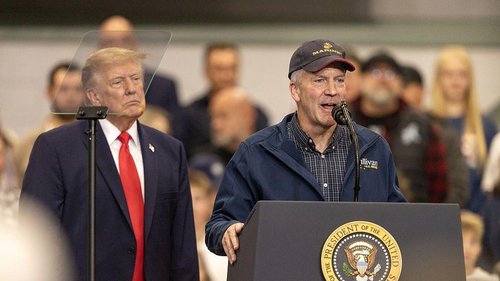
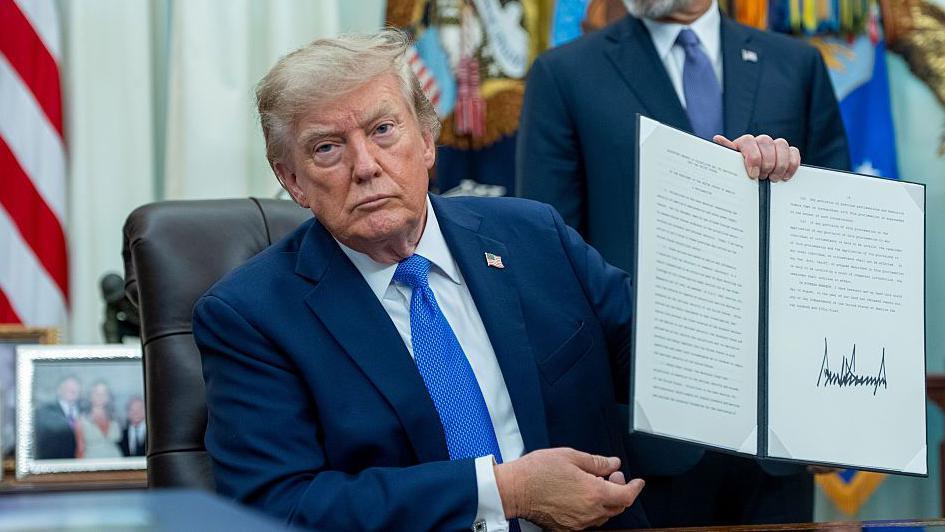
On Thursday, President Donald Trump signed two executive orders aimed at tightening the rules around birthright citizenship in the United States, a move that comes in the wake of the Supreme Court’s recent decision to uphold the 150‑year‑old policy.
The first order expands the list of non‑citizens whose children would no longer automatically acquire U.S. citizenship. It excludes babies born to parents who are members of a foreign terrorist organization, employees of a foreign government, have sought citizenship through fraudulent means or are residing in U.S. territories where federal law does not confer citizenship.
The second order is a direct attack on what Trump and his advisers call “birth tourism.” It bars pregnant mothers traveling to the U.S. expressly to give birth so that their babies will gain automatic citizenship, a practice the administration claims opens the country to “malign foreign actors.”
Trump touted the orders as a long‑overlooked correction, saying, “This should have happened years ago, but we’re taking care of it now,” while condemning the Supreme Court’s June ruling as “a bad decision, very unfair.”
Legal scholars are cautious. Professor Gabriel Chin of UC Davis noted that the president may restrict the intent to use birth as a citizenship shortcut, but cannot retroactively strip citizenship from a child that is already born in the U.S. The Supreme Court’s ruling confirms that the 14th Amendment guarantees citizenship for every child born on American soil.
Data from the Migration Policy Institute estimate the practice of birth tourism at about 22,000 to 26,000 babies each year, though government data from 2024 recorded 9,600 births to mothers with foreign addresses. The administration argues that these children are “gifted” and might gain access to welfare, voting, and other rights, thereby shifting public costs.
With these orders in place, the Trump administration signals a renewed push to limit immigration and national security risks, even as Congress wrestles with how to address the legal complexities of birthright citizenship in 2026.