In brief
President Trump announced a temporary suspension of sanctions on Russia to maintain momentum on peace negotiations with Ukraine. He blocked the measures before their due date, arguing that Russia should stay on the bargaining table. Zelensky criticized the move, calling the U.S. diesel deal a potential boost to the Russian war effort. Russian envoy Dmitriev praised the pause as a historic moment, while Secretary of State Marco Rubio framed it as a 60‑day economic review. The decision has intensified disputes between Kyiv and Washington over sanctions and energy policy.
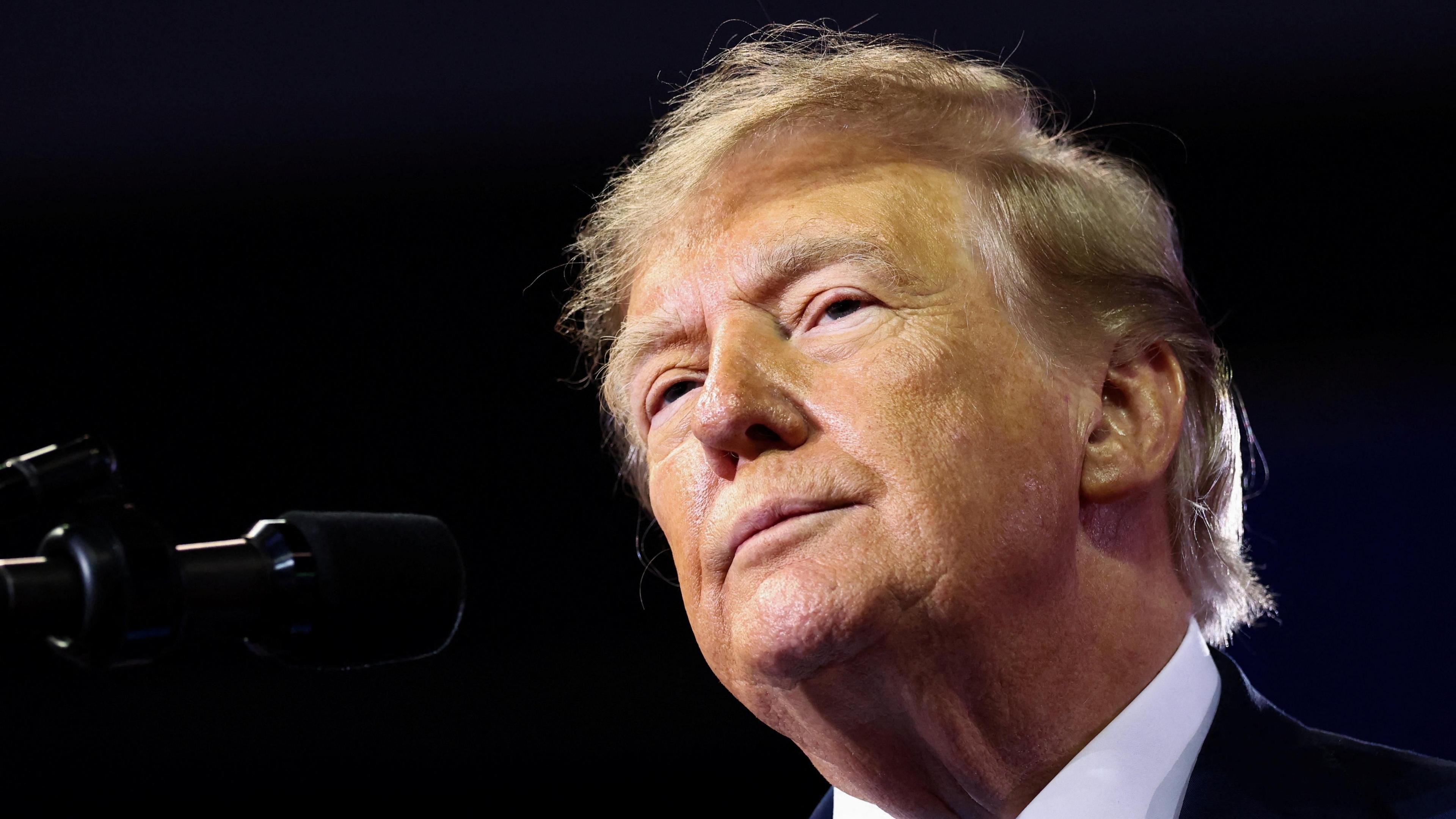
On Oct. 18, President Donald Trump announced that he has suspended a set of sanctions imposed on Russia, saying the move was aimed at keeping Russia at the negotiating table for peace talks over the war in Ukraine.
The sanctions were due to take effect Friday night, but Trump blocked them on Truth Social before the deadline, warning that "any thing that will drive, foolishly, Russia away from the bargaining table" is undesirable.
Zelensky, who has continually called for stringent economic pressure on Moscow, warned on NBC News that siding with Putin would be a historic mistake, and he has criticized the U.S. plan to import Russian diesel to lower domestic energy bills.
Russian envoy Kirill Dmitriev dubbed the U.S. decision an "important and truly historic moment," arguing that the sanctions had already inflicted serious damage on the global market.
U.S. Secretary of State Marco Rubio described the pause as a 60‑day window to assess the economic impact. Trump also said Zelensky "doesn't want to end this war" and added that he could have made a better deal two years earlier.
The decision comes amid growing criticism from Kyiv, which claims that the diesel purchase effectively funds Russia's war effort. Further tensions include a perceived slowdown of the Starlink satellite service that Ukraine relies on for communications.
Despite the sanctions, Russia remains a major exporter of oil to China and India, with the latter receiving about 37% of Russia's crude, according to the Centre for Research on Energy and Clean Air (CREA).