In brief
In a sweeping move that could reshape Middle Eastern geopolitics, President Trump announced that the US Navy had cleared or detonated all mines in the strategically vital Strait of Hormuz. He warned that any ship placing new mines would be destroyed immediately. The statement comes alongside a fresh slate of U.S. economic sanctions targeting Iran and its trading partners. Iraq and Iran have brought escalating tensions to new heights, yet Tehran has denied the presence of nuclear weapons and called for a negotiated resolution. The announcement precedes planned talks between Trump and China’s Xi Jinping, raising questions about possible retaliation and the future of the Strait’s passage.
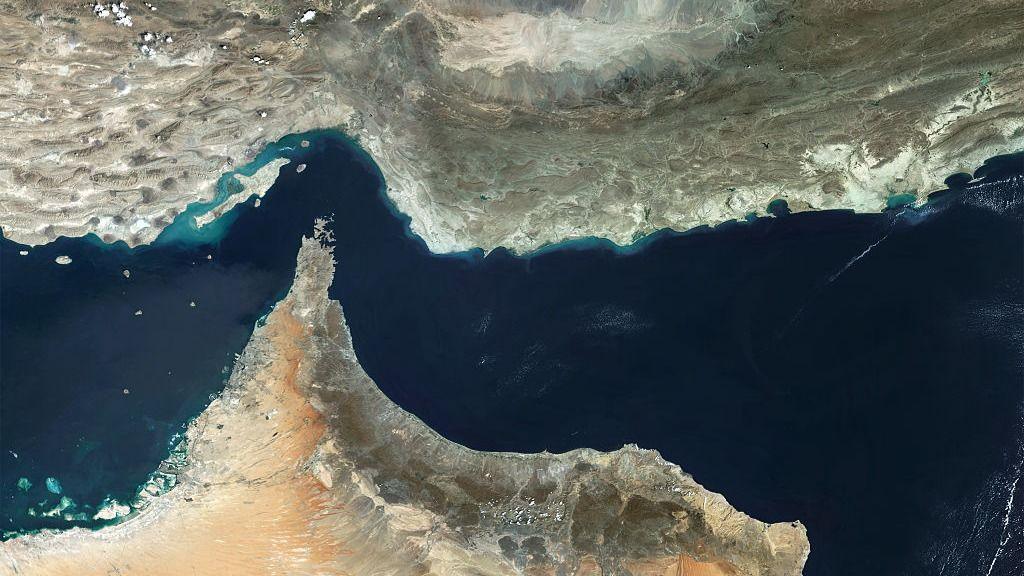
US President Donald Trump says the U.S. Navy has removed or detonated all mines in the Strait of Hormuz. The strait, a critical waterway that Iran has partially closed since the onset of the current war, was announced as clear in a post on Trump’s Truth Social platform.
"Iran has been notified that any ship or boat placing new mines will be immediately and systematically destroyed," Trump warned.
No comment came from Iran, but the closure has already spurred volatile swings in global oil prices. Trump has long insisted the U.S. controls the strait and that Iran’s recent shoots at vessels were unfounded.
The war, launched on 28 February with U.S. and Israeli air strikes against Iran, saw the U.S. embed a severe blockade on Iranian ports to stifle trade. Twenty per cent of world oil and LNG once passed through the strait; the blockade now threatens a global energy crunch.
Following a collapsed ceasefire, the U.S. and Iran have kept sporadic exchanges of fire. Yet this week Trump rolled out a raft of new economic sanctions aimed at dismantling Iran’s regime. Treasury Secretary Scott Bessent warned that any nation aligning financially with Iran would be isolated.
In June, the United States and Iran signed a 14‑point Memorandum of Understanding (MoU) with a 60‑day deadline to secure an agreement on the strait before tackling the nuclear issue—a claim Iran dismisses. The deadline lapsed, and talks collapsed, reinforcing Trump’s resolve that the sanctions will topple Iran’s leadership.
Iran’s economy, already battered by the war and ongoing sanctions since 1979, has shown short‑term resilience. Yet the recent blockade and sanctions have further strangled trade and fueled domestic dissent. Tehran’s economy minister Ali Madanizadeh expressed confidence, claiming the regime would withstand the sanctions while accusing the U.S. of “another defeat.”
China, the largest buyer of Iranian oil, has condemned the U.S. sanctions as “illegal unilateral measures” and pledged to protect its trade interests. This stance comes just before a scheduled meeting between Trump and Chinese President Xi Jinping next month, highlighting possible diplomatic friction.
The U.S. remains wary of potential Chinese retaliation, especially concerning China’s control over rare earth exports critical to high‑tech manufacturing. China has tightened rare‑earth export controls amid past trade talks with the U.S., adding another layer to the cross‑regional tensions.