In brief
Despite losing the 2020 election, President Donald Trump continues to press for support from federal agencies to substantiate his claims of widespread electoral fraud. The FBI's recent search of election materials in Georgia signals a troubling trend of using government resources, raising concerns about political retribution and the integrity of upcoming elections. Experts warn that these actions may undermine democratic norms and set a precedent that could affect future electoral processes.
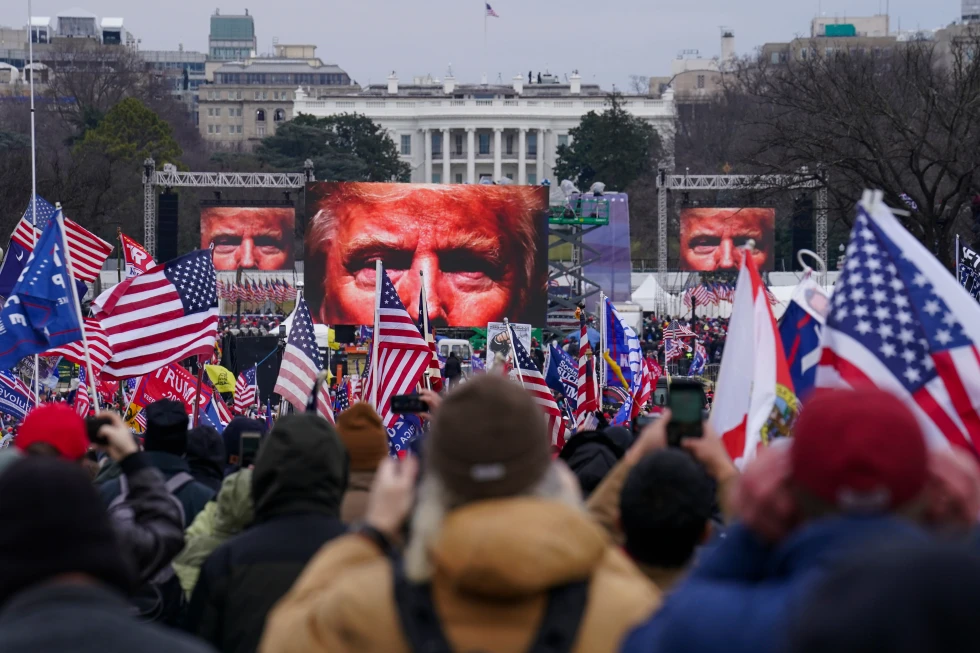
DENVER (AP) — Donald Trump lost his bid for reelection in 2020. However, for over five years, he has persistently tried to convince Americans that the election results were flawed due to extensive fraud.
With Trump back in the presidency, he is now pushing federal agencies to substantiate his unfounded claims.
This week, the FBI executed a search warrant at the election headquarters of Fulton County, Georgia, which encompasses most of Atlanta, seeking ballots from the contentious 2020 election. This move follows Trump's recent comments at the World Economic Forum in Davos, Switzerland, where he hinted that charges related to the election may soon be forthcoming.
“The man has obsessions, as do a fair number of people, but he’s the only one who has the full power of the United States behind him,” remarked Rick Hasen, a UCLA law professor.
Legal scholars, including Hasen, have noted that using the FBI to further his personal agenda on the 2020 election reflects a troubling trend of the president wielding federal resources as tools of personal vengeance.
Senator Jon Ossoff, a Georgia Democrat, expressed concerns about the implications of the search, comparing it to other actions taken by Trump to undermine governance. He characterized it as federal agencies being used as an instrument of personal power and revenge.
As preparations ramp up for the 2026 midterms, Trump's ongoing efforts to contest the 2020 results may have broader consequences for future elections. Election officials across the nation are concerned that the precedent set by the FBI's actions in Georgia could embolden further interference in electoral processes.
“If they can get away with taking election materials here, what’s to stop them from taking materials or machines from another state?” asked Kristin Nabers from the group All Voting Is Local.
Georgia has been at the center of Trump's fixation since he famously urged officials to “find” votes that could overturn his defeat in the state. His efforts to overturn the election results, marked by repeated legal failures, have fueled his narrative of widespread misinformation regarding electoral fraud.
Despite alluding to potential claims of voter fraud, Trump has faced significant pushback, with many courts upholding the legitimacy of 2020’s electoral outcomes. His campaign against these narratives has seen key allies facing legal repercussions, including defamation suits related to misleading statements made about election processes.
With a focus on reshaping voting laws and systems, Trump has also attempted to establish copious new guidelines for state election procedures, though these efforts have been met with considerable legal challenges. Observers are wary that these tactics underscore a broader strategy to manipulate the political landscape as the nation heads toward the next electoral cycle.
As Trump continues to leverage his position to revive claims of electoral misconduct, experts are skeptical about the implications of these actions for governance and election integrity, suggesting the narrative serves more to influence public perception ahead of the 2026 elections than to produce tangible legal victories.