In brief
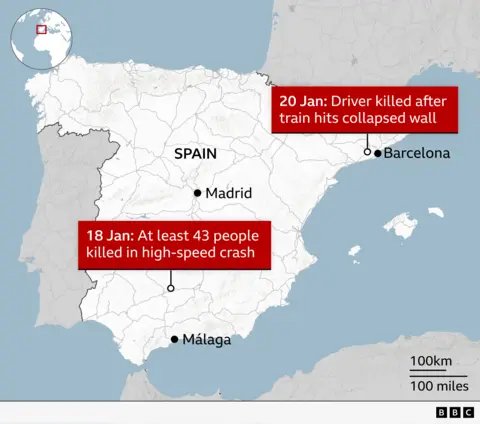
A high-speed rail collision in southern Spain has claimed at least 43 lives, with survivors bringing urgent concerns about railway safety to the forefront. Loved ones of the victims recount harrowing experiences as they mourn their losses and demand explanations about the crash. Medical staff describe an overwhelming influx of casualties, highlighting the need for answers and accountability in the rail system.
Eduardo Morán, a doctor at Córdoba's Reina Sofía Hospital, suspected it was serious.
He and his wife, both medics, were called in after reports of two high-speed trains colliding nearby. We were preparing different parts of the hospital, not just the emergency room, but the intensive care unit, all the surgery theatres, and the regular floor. Everybody was there, he recalls.
As patients arrived, their injuries ranged from minor scratches to severe trauma. Staff efficiently prioritized treatment, yet Morán had never witnessed such a mass casualty event in his 20-year career. We were expecting more. Unfortunately, there were a lot of people who didn't make it and died on the railway.
The crash, which transpired in dense woodland just 36 miles from Córdoba, has been termed Spain's worst rail disaster in over a decade. Investigators are focusing on a gap in the track as a possible cause.
Among the deceased was María del Carmen Abril, who was returning from a surprise birthday party when her train derailed, colliding with an oncoming service. Her friend, José Manuel Muñoz, reflected on the stark contrast between the day's celebrations and the ensuing tragedy.
For families like Muñoz's and Yamilei's, who lost her brother-in-law Victor Luis Terán, unanswered questions linger amidst their grief. As they gather at the Civic Centre in Córdoba to provide DNA samples for identification, the call for answers reflects their desperate need for closure.
Amidst calls for patience from officials, a second crash near Barcelona involving a non-high-speed train raised further alarms, prompting strikes over what has been termed the unacceptable deterioration of the railway.
As the community continues to mourn, the hope for thorough investigations remains critical to preventing future tragedies.