In brief
Jay Allen, a supporter of President Trump, finds himself grappling with the adverse effects of tariffs on his manufacturing business in Arkansas. Despite voting for Trump in hopes of tax cuts and deregulation, the import taxes have significantly raised his operational costs, leading to job losses and price hikes. The situation reflects a broader trend in the manufacturing sector, where many companies are struggling under the weight of increased tariffs, raising questions about the effectiveness of Trump's economic strategies.
In northeast Arkansas, Jay Allen, a loyal supporter of President Donald Trump, is experiencing the adverse consequences of the tariffs that were intended to benefit American manufacturing. Even after voting for Trump in hopes that he would cut taxes and reduce regulations to support his business, Allen Engineering Corp. is now struggling under the weight of increased costs due to import taxes on essential materials.
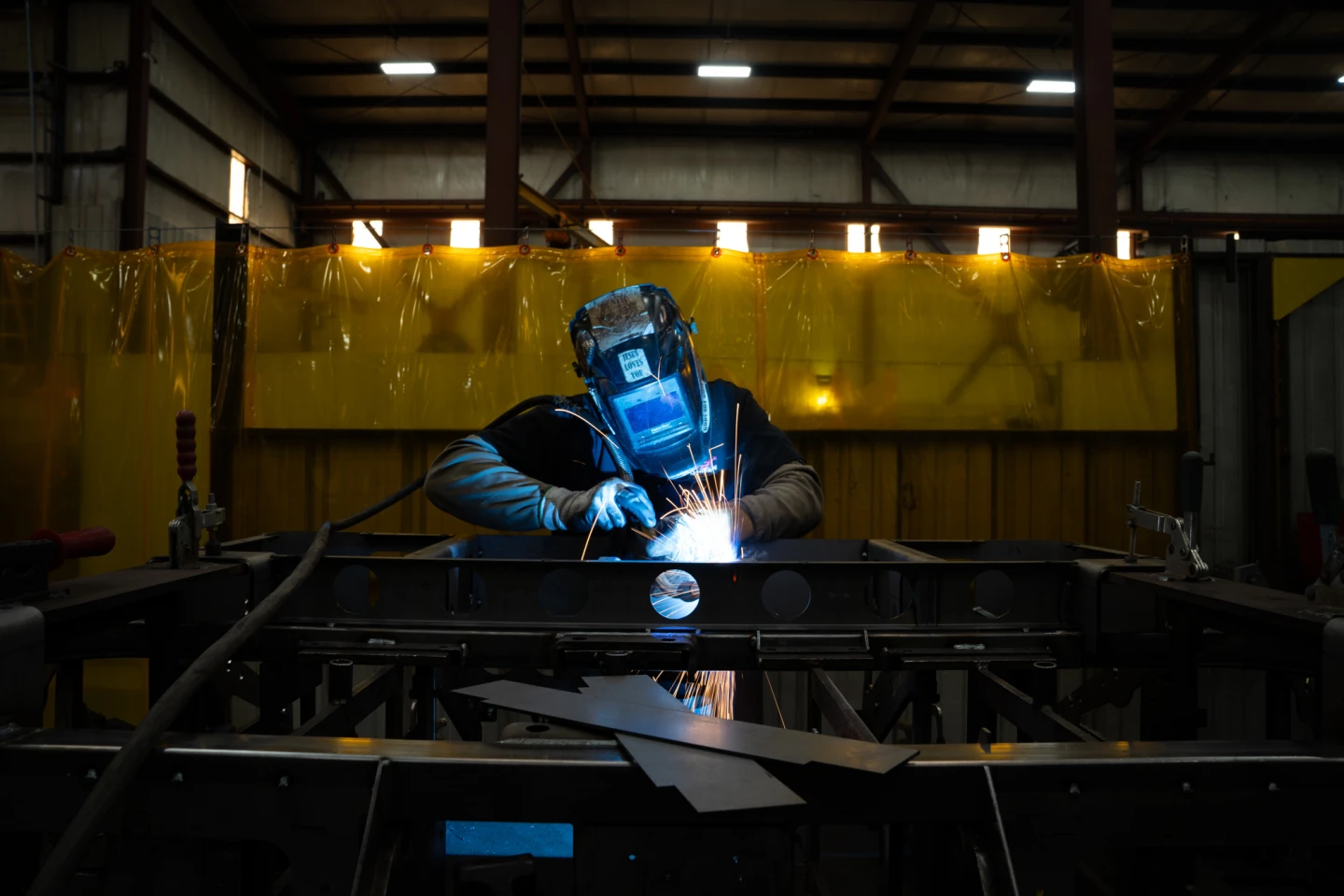
Allen's company produces industrial equipment necessary for the concrete industry, and the tariffs have raised the costs of foreign-sourced engines, steel, and components needed for products that can retail for $100,000 each. This situation starkly contrasts with the promise of job growth that Trump proclaimed would come with such tariffs.
In fact, Allen shared that his company suffered losses in 2025, forcing a reduction in workforce from 205 to just 140 employees. To survive, he has had to increase product prices by 8% to 10%, risking further decline in sales.
What’s really sad is the unintended consequences of his tariffs are hurting manufacturing in our country. Unfortunately, the working-class people are getting squeezed, Allen lamented.
Despite Trump's belief that tariffs would trigger American factories to flourish, evidence suggests the opposite is occurring, as American manufacturing sheds jobs. Reports indicate that around 98,000 manufacturing jobs have been lost since his return to the White House. Furthermore, companies are now suing the Trump administration for tariff refunds, totaling over $130 billion.
The White House insists that while construction and investment in factories are up due to federal initiatives, such gains cannot solely be credited to Trump’s tariffs. Many cite President Biden's policies, like the CHIPS and Science Act, as significant factors behind the construction boom.
As uncertainty looms around future tariff policies, manufacturing companies face increased challenges. With each fluctuation in tariff policy, business owners are left uncertain about their investments. Allen noted the risks of relocating production to the U.S. amidst an unpredictable trade climate, particularly for high-stakes investments like $20 million diesel engine production facilities.
Overall, the gap between Trump’s intended outcome and the reality faced by companies highlights the complexities of tariff economics, with many small to mid-sized manufacturers struggling against rising costs without enough clout to negotiate for better conditions.