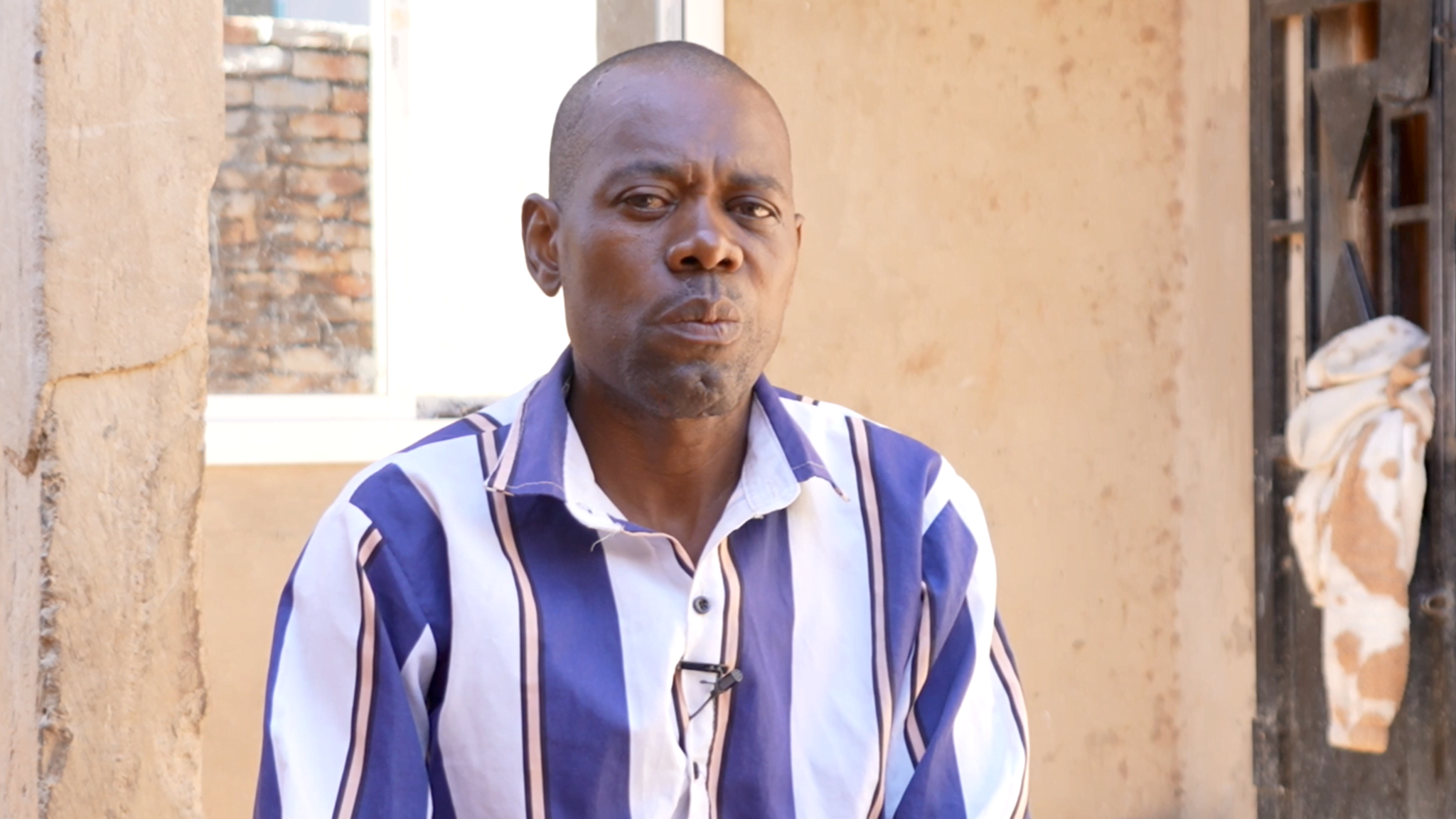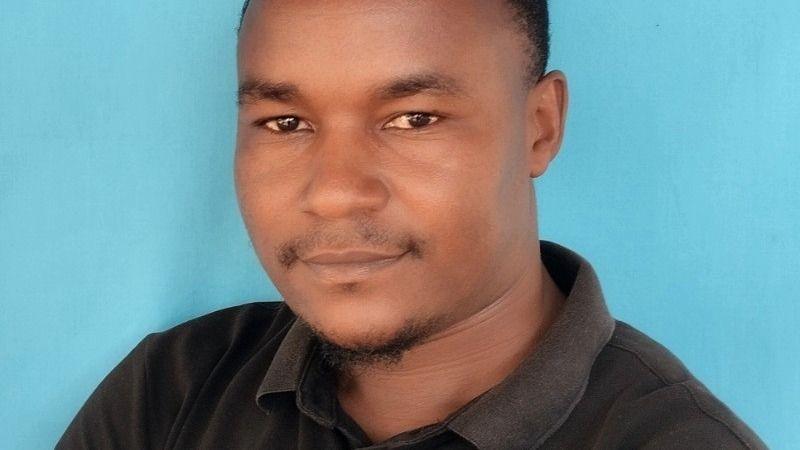
Former university lecturer Melkisedek Kaijage was taken into custody earlier this month, as police sought to quash an anti‑government protest that had been banned for the 7 July demonstrations. Initially charged with incitement, the case was shifted to a terrorism charge after prosecutors alleged he threatened to set public buildings ablaze as part of intimidation tactics.
Kaijage appeared in a magistrate court and asked for bail, but the court denied it, citing that terrorism offences are not typically eligible for bail. He remains in Isanga Prison in Dodoma until the case is heard by a higher court, where he will no longer be asked to enter a plea.
The lecturer, who teaches political science and public administration, was among more than 130 people arrested in the wake of the planned demonstrations—protests called for democratic reforms and justice for those killed in a post‑poll crackdown last year.
Security forces were positioned across major cities on 7 July, and officials warned they would act against anyone accused of inciting unrest. Prosecutors now say Kaijage’s alleged threats form part of a broader strategy to intimidate political activists.
Under Tanzanian law, any support for terrorist activities can result in prison terms ranging from 10 years to life imprisonment. The case highlights the government’s continuing crackdown on opposition figures and activists critical of President Samia Suluhu Hassan’s leadership.
Earlier, the government suspended political rallies nationwide citing security concerns. The crackdown followed the violent response to protests after the 29 October 2025 election, during which 518 people died, including 197 killed in clashes with security forces.