In brief
The Syrian government has finalized a deal with the Kurdish-led SDF, marking a historic shift in the country's control dynamics following conflicts in the northeast. The agreement includes the gradual integration of Kurdish forces into the state, recognition of Kurdish civil rights, and management of key resources, following a major territorial change in the wake of the Syrian civil war.
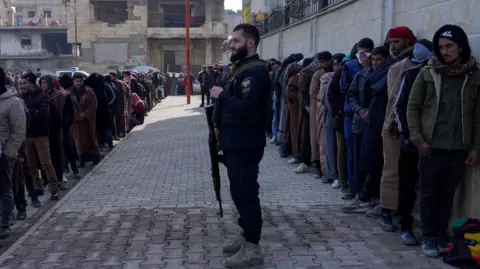
Syria's government has reached a deal with the Kurdish-led Syrian Democratic Forces (SDF) militia alliance that would see the gradual integration of Kurdish forces and institutions into the state. This move follows weeks of clashes, during which Syrian troops reclaimed large swathes of territory that had been under SDF control for more than a decade. US envoy Tom Barrack termed it 'a profound and historic milestone in Syria's journey toward national reconciliation, unity, and enduring stability'. Earlier this month, after major territorial losses, the SDF had agreed to a ceasefire, leading to further government control, although skirmishes continued. Much like a previous 14-point agreement, Friday's deal will require the SDF to withdraw from frontline positions, integrate its members into the Syrian army, and assimilate its civil bodies into the central government. The SDF also announced the formation of a military division composed of its members.The agreement also covers civil and educational rights for Kurdish people, allowing displaced persons to return to their homes. Part of this arrangement includes the transfer of critical resources—including prisons, oil, and gas fields—previously operated by the SDF to the Syrian administration. The Syrian army has since taken control of the Omar oil facility, the largest in the country, and the strategic Tabqa dam on the Euphrates river. The Kurds once governed nearly a third of Syria’s territory, bolstered by U.S. support during the fight against the Islamic State (IS). Their recent territorial setbacks represent the most significant shift in control since the overthrow of former President Bashar al-Assad in December 2024, concluding the 13-year civil war. Syrian President Ahmed al-Sharaa has reiterated his commitment to unify a divided Syria post-civil war, stating his hopes for national unity and progress after the ceasefire. He has issued a decree recognizing Kurdish rights, making the Kurdish language national, granting nationality to stateless Kurds, and designating the Kurdish new year as a national holiday. With this, Syria marks its first formal recognition of Kurdish national rights since gaining independence in 1946. The deal emerges after extensive, previously stalled negotiations over a proposed integration agreement.